Spoon carving courses in the UK
Every spoon carving course we can find in the UK, from 30 makers and schools. You book with the maker directly, and nobody pays to be listed.
What is spoon carving?
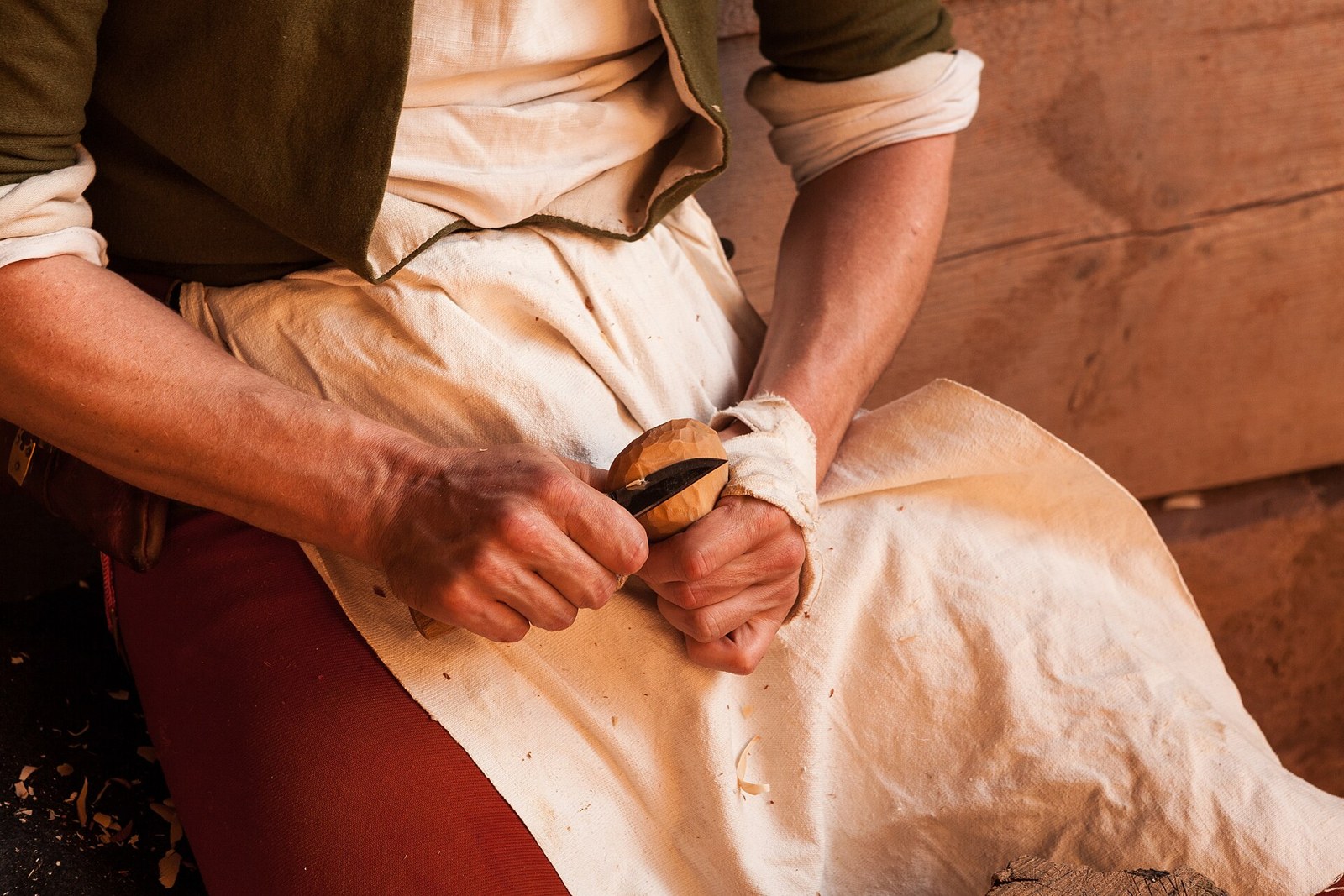
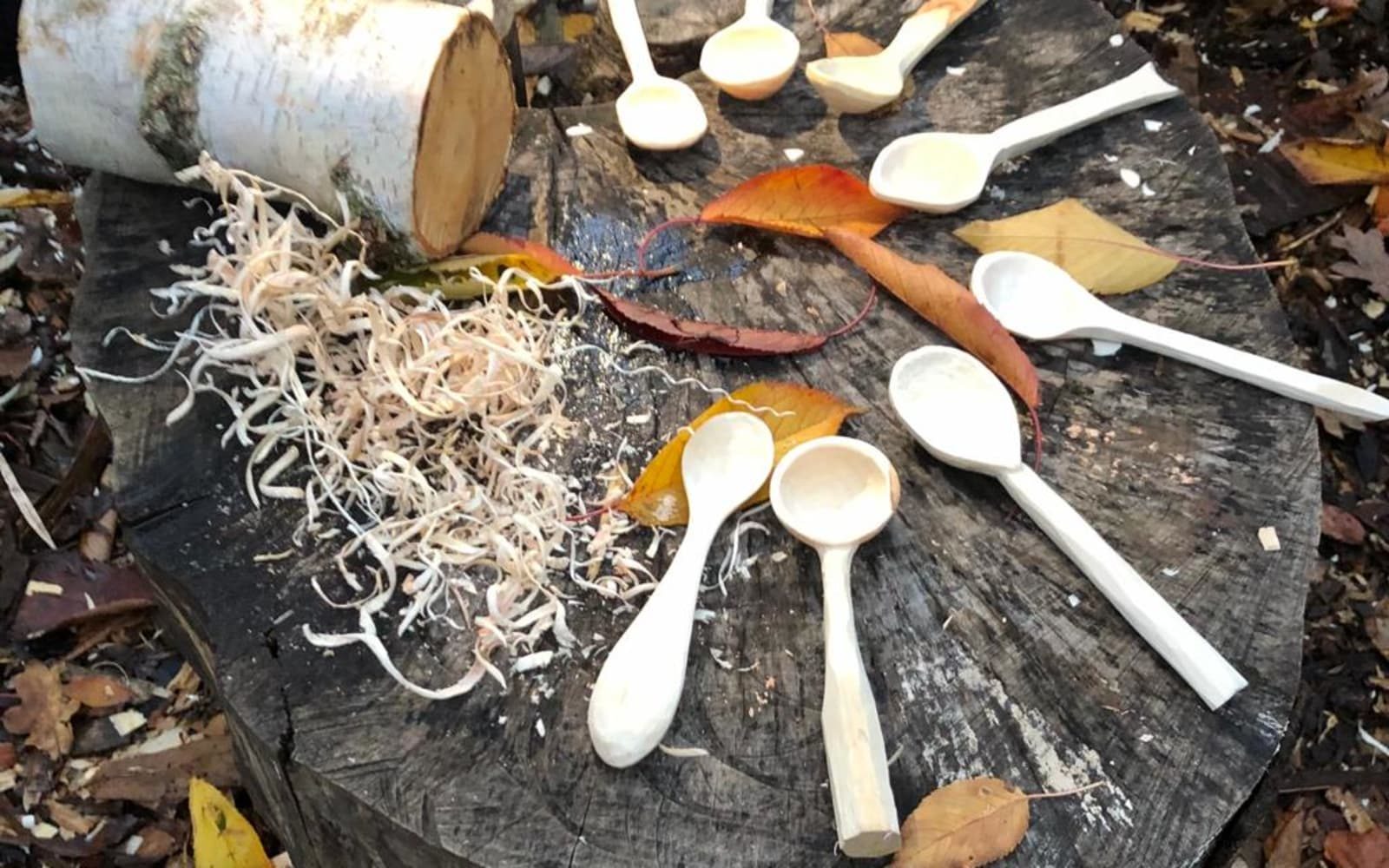
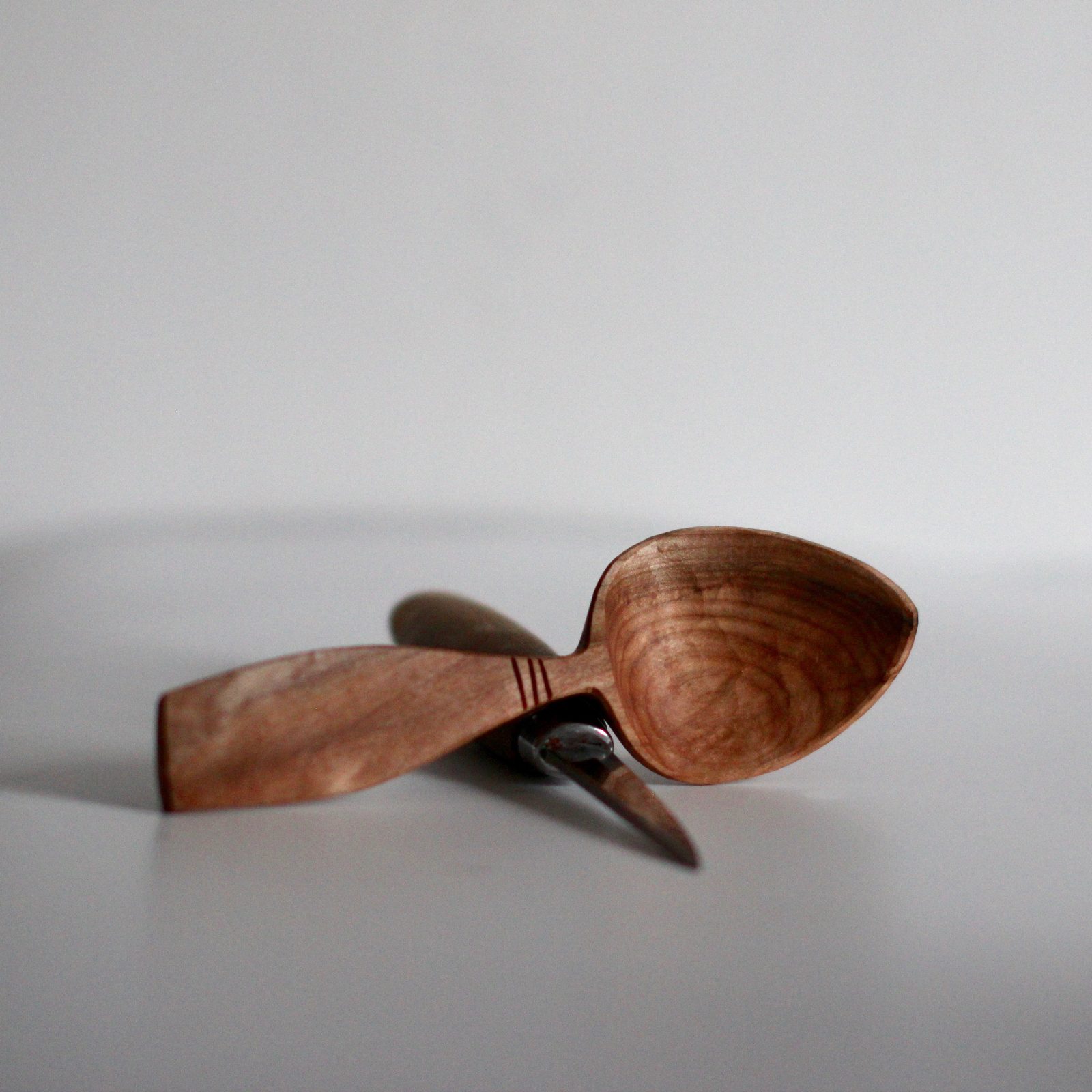
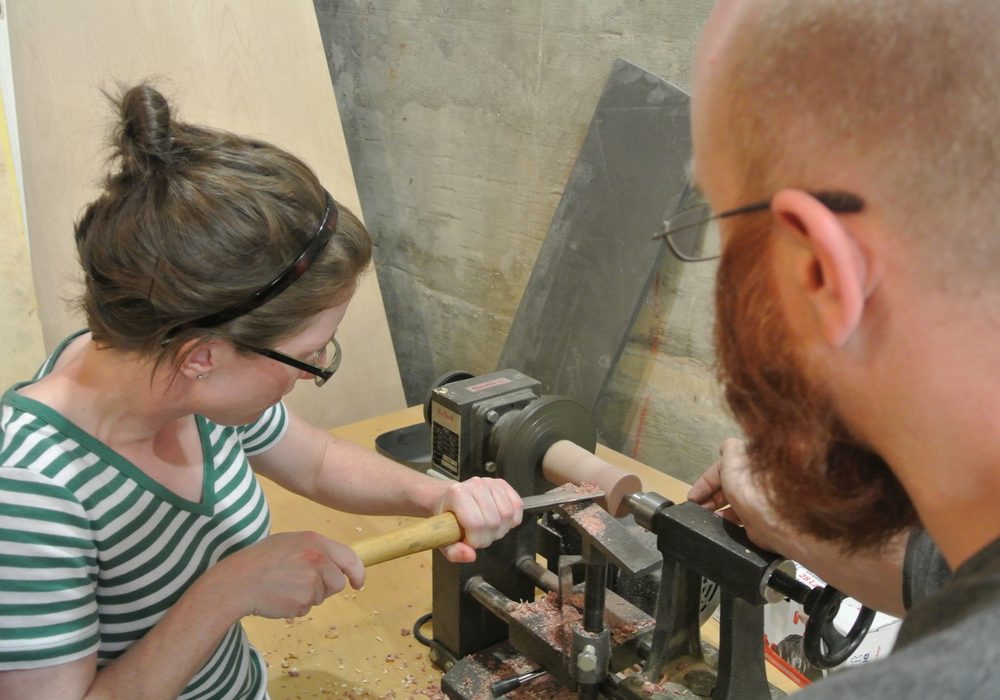
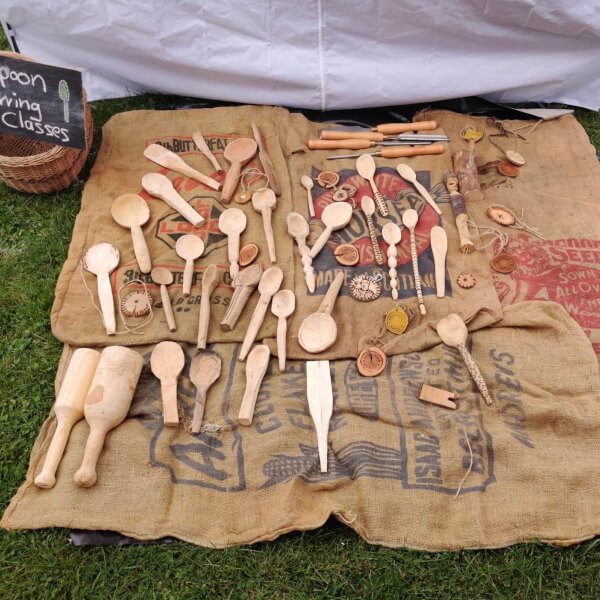
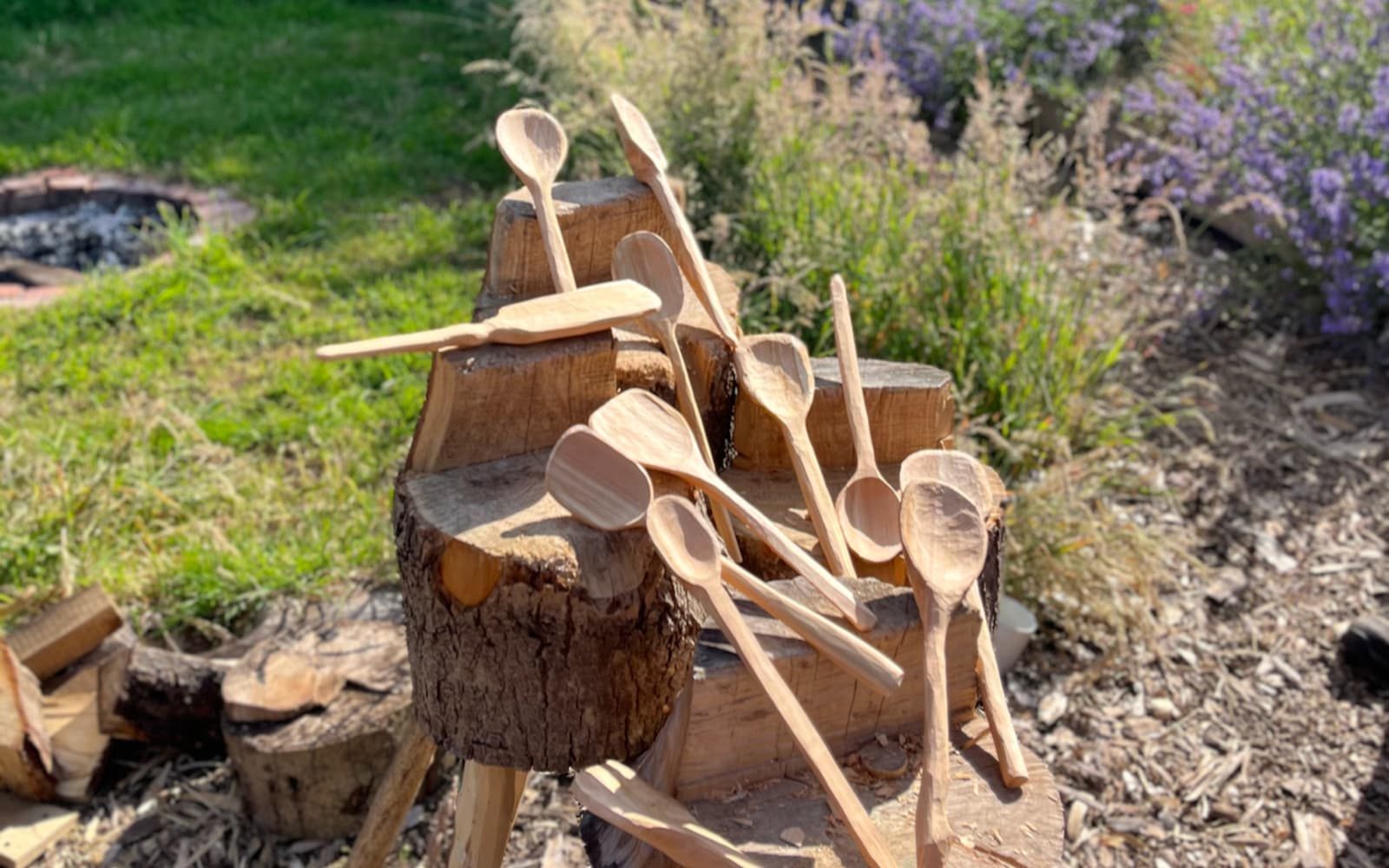
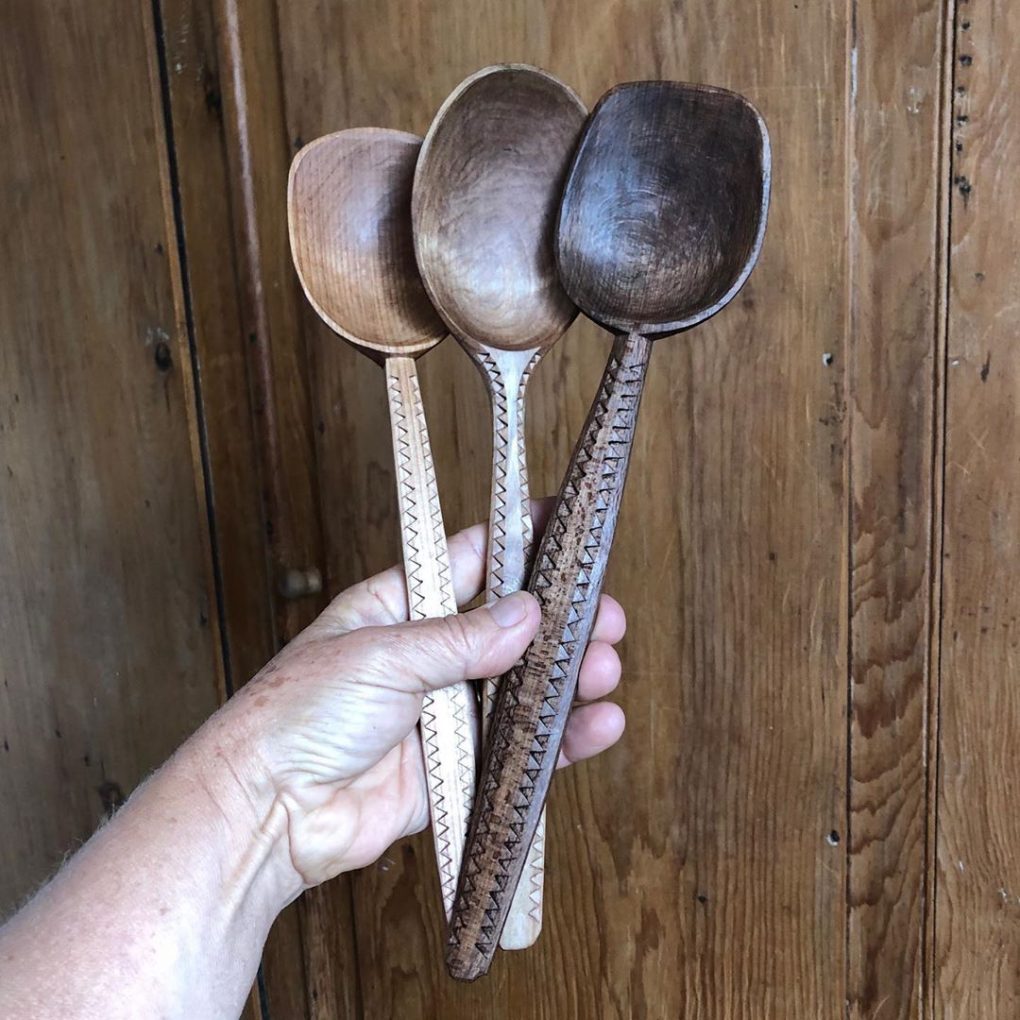
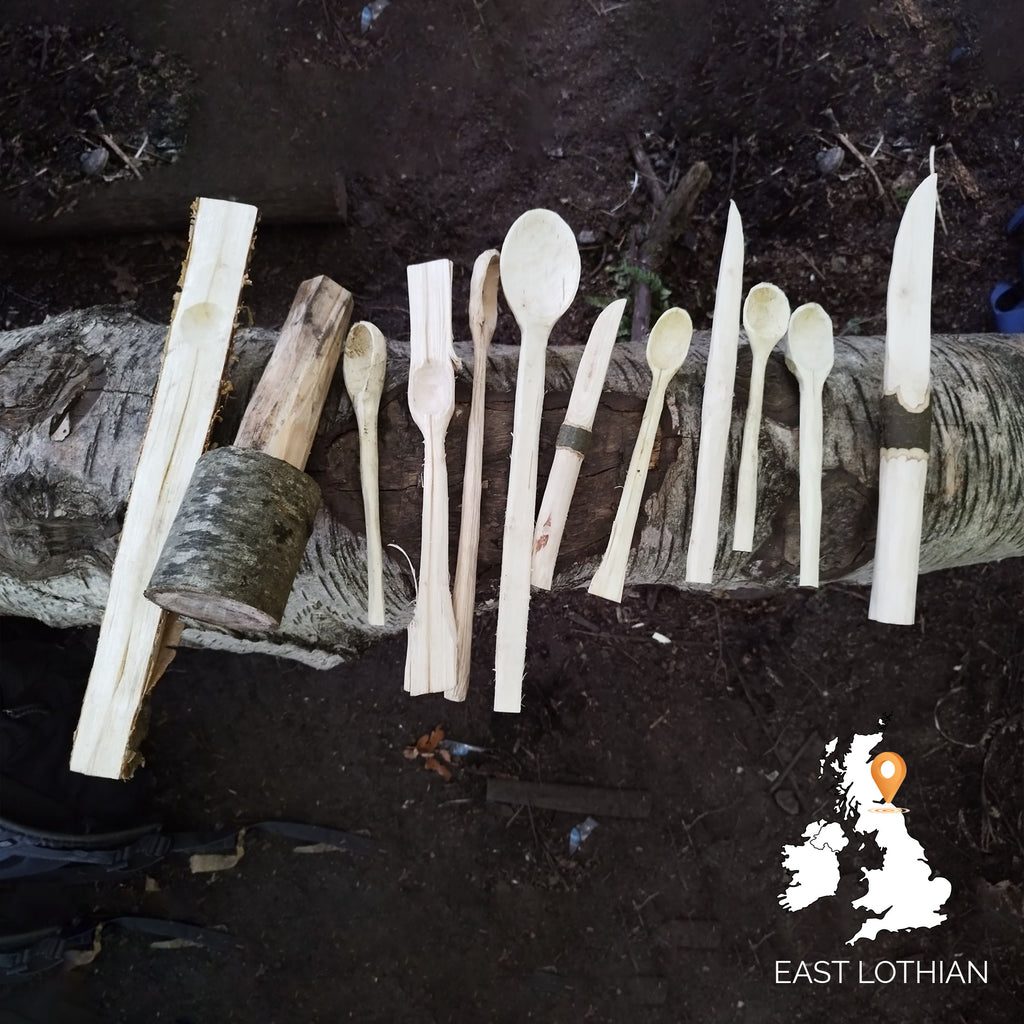
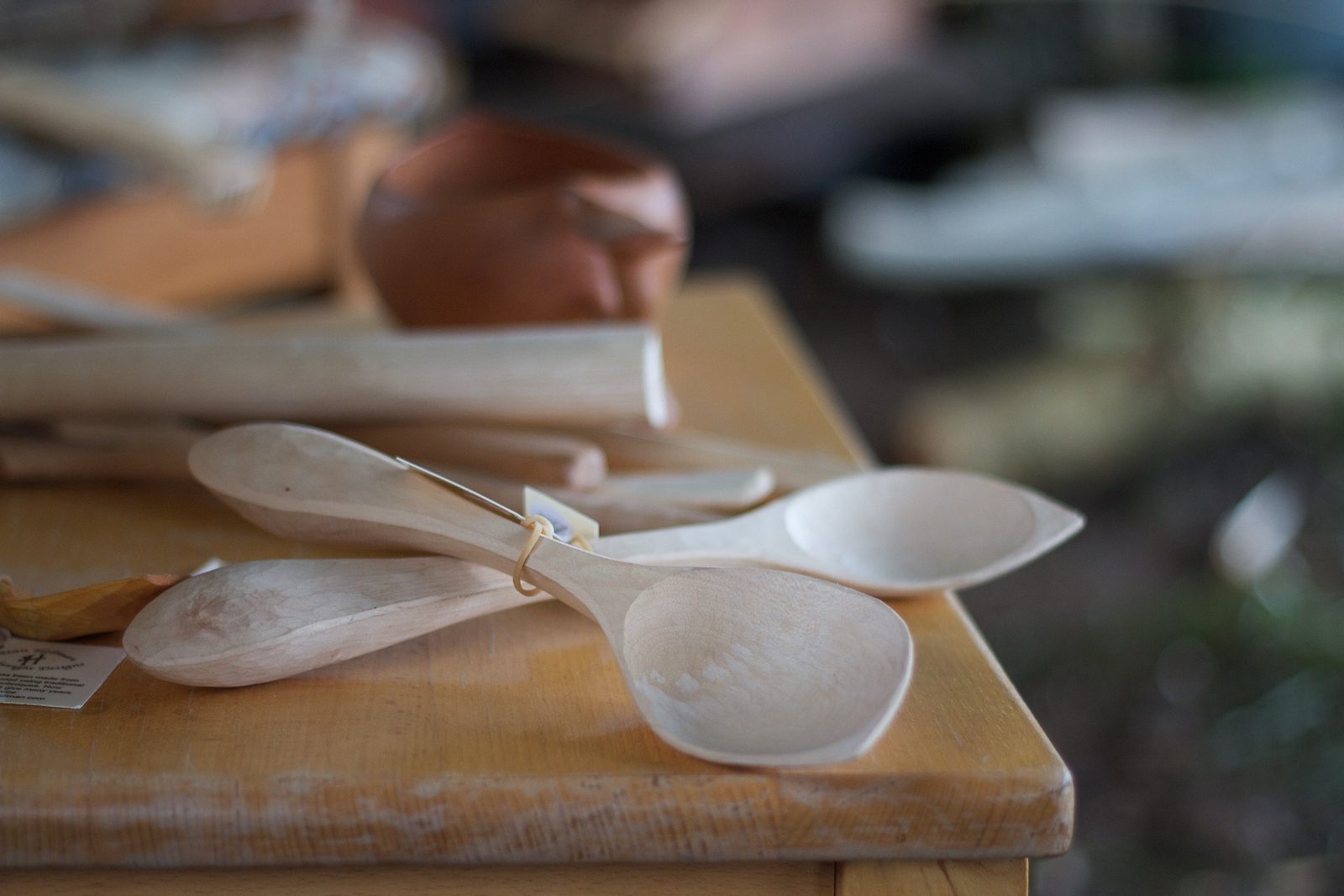
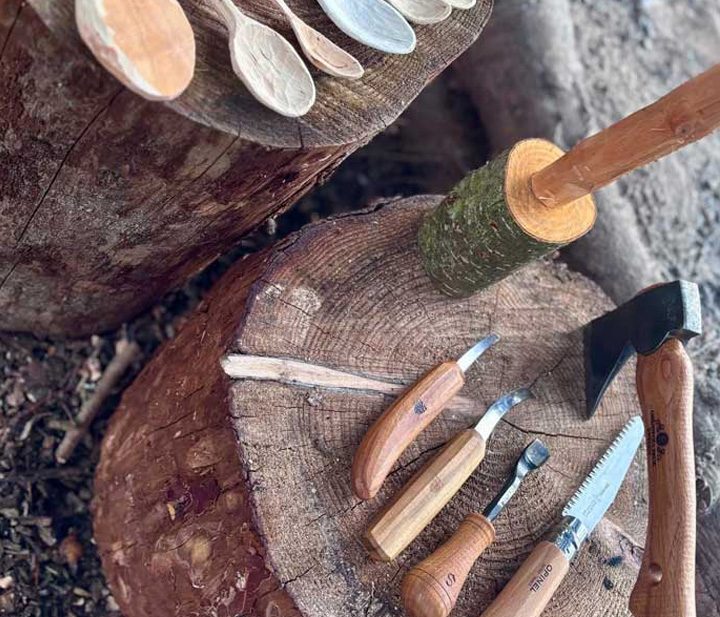
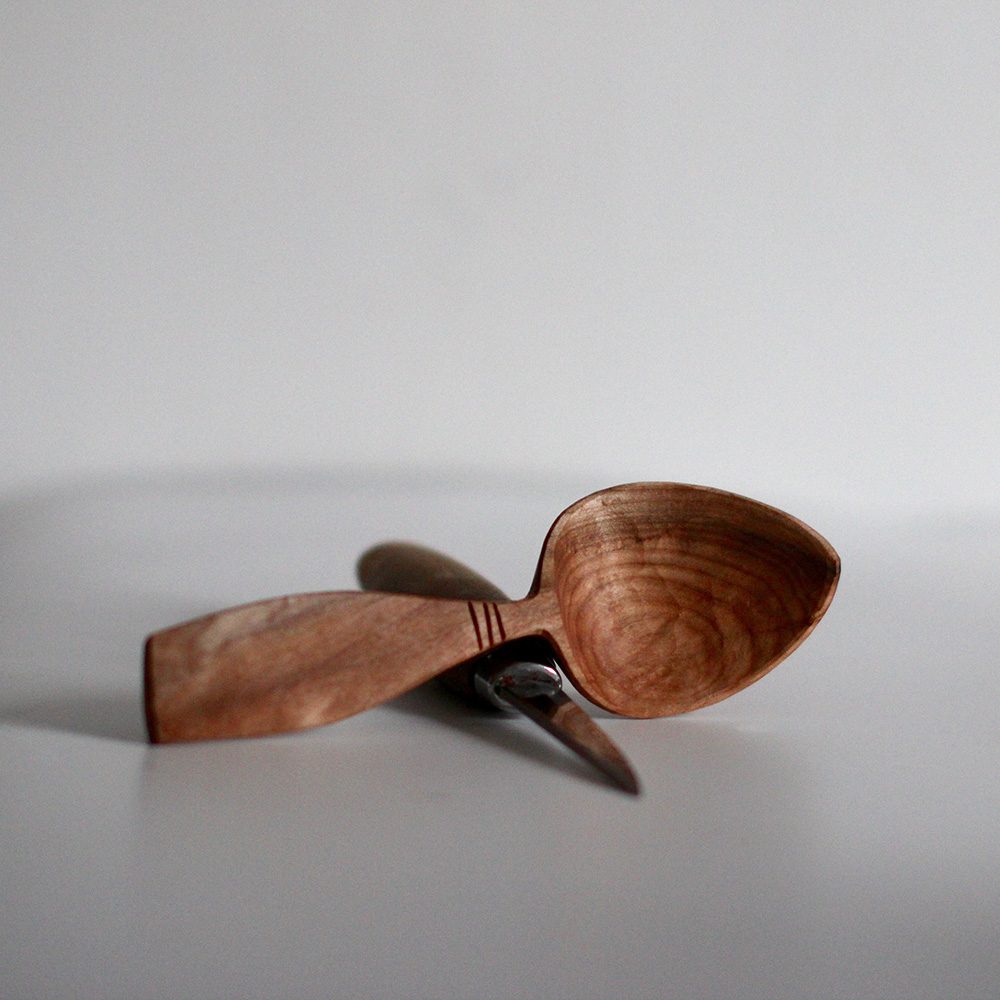
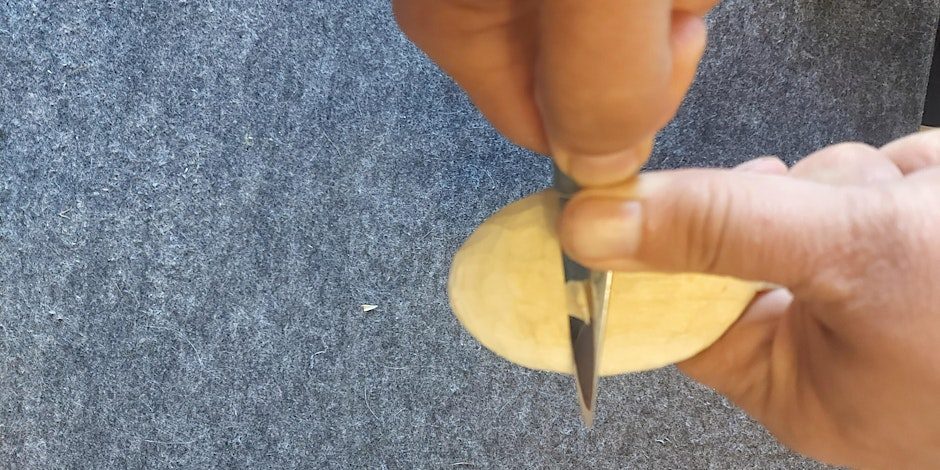
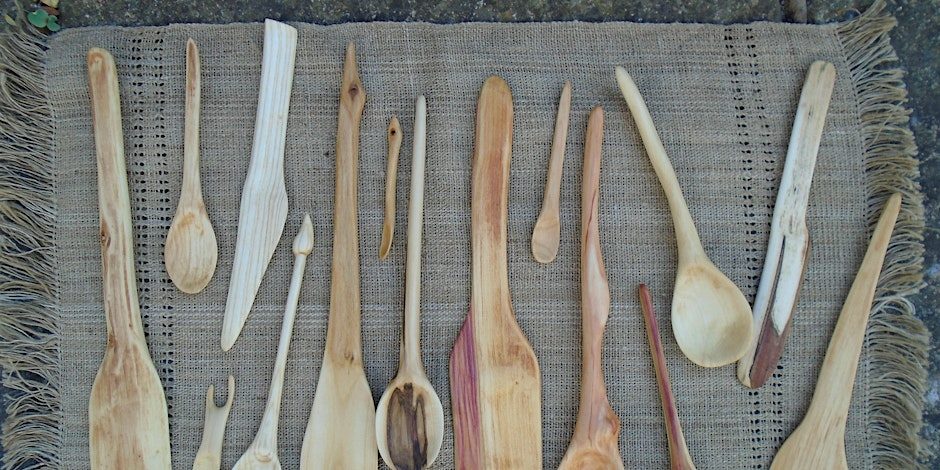
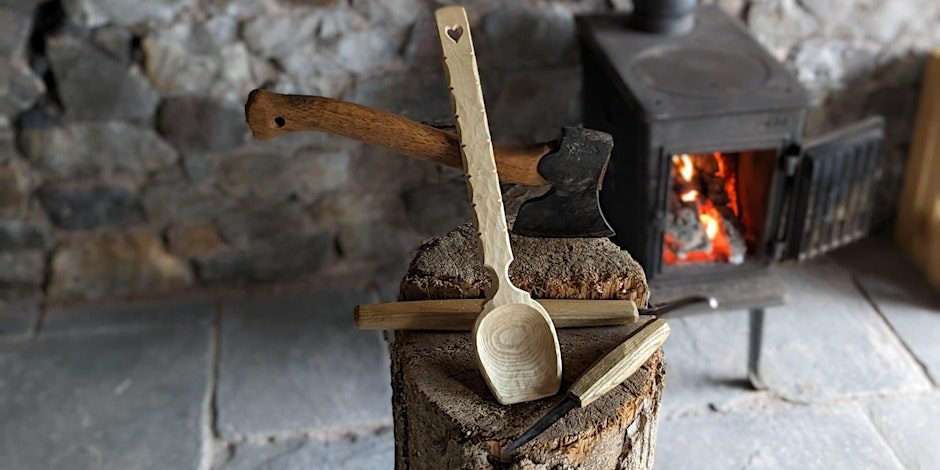
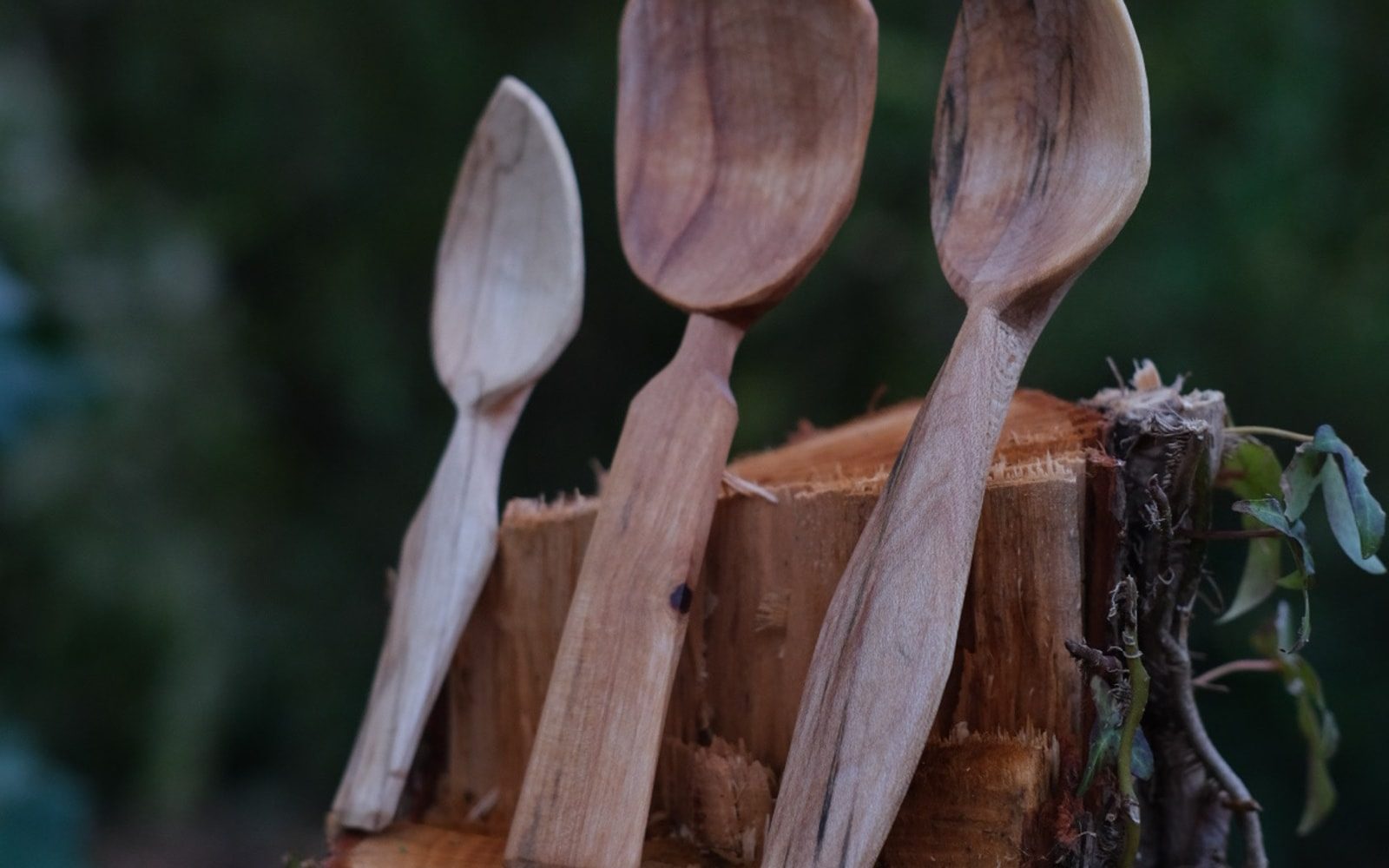
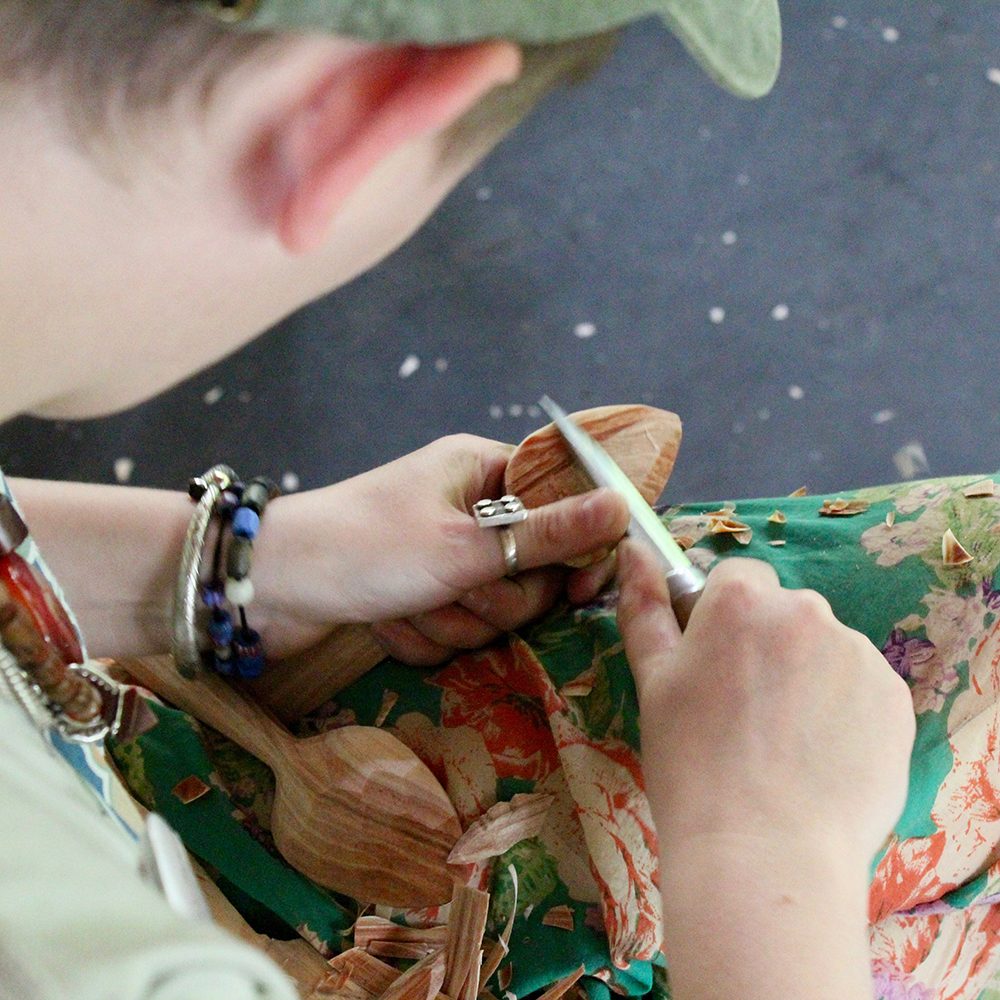
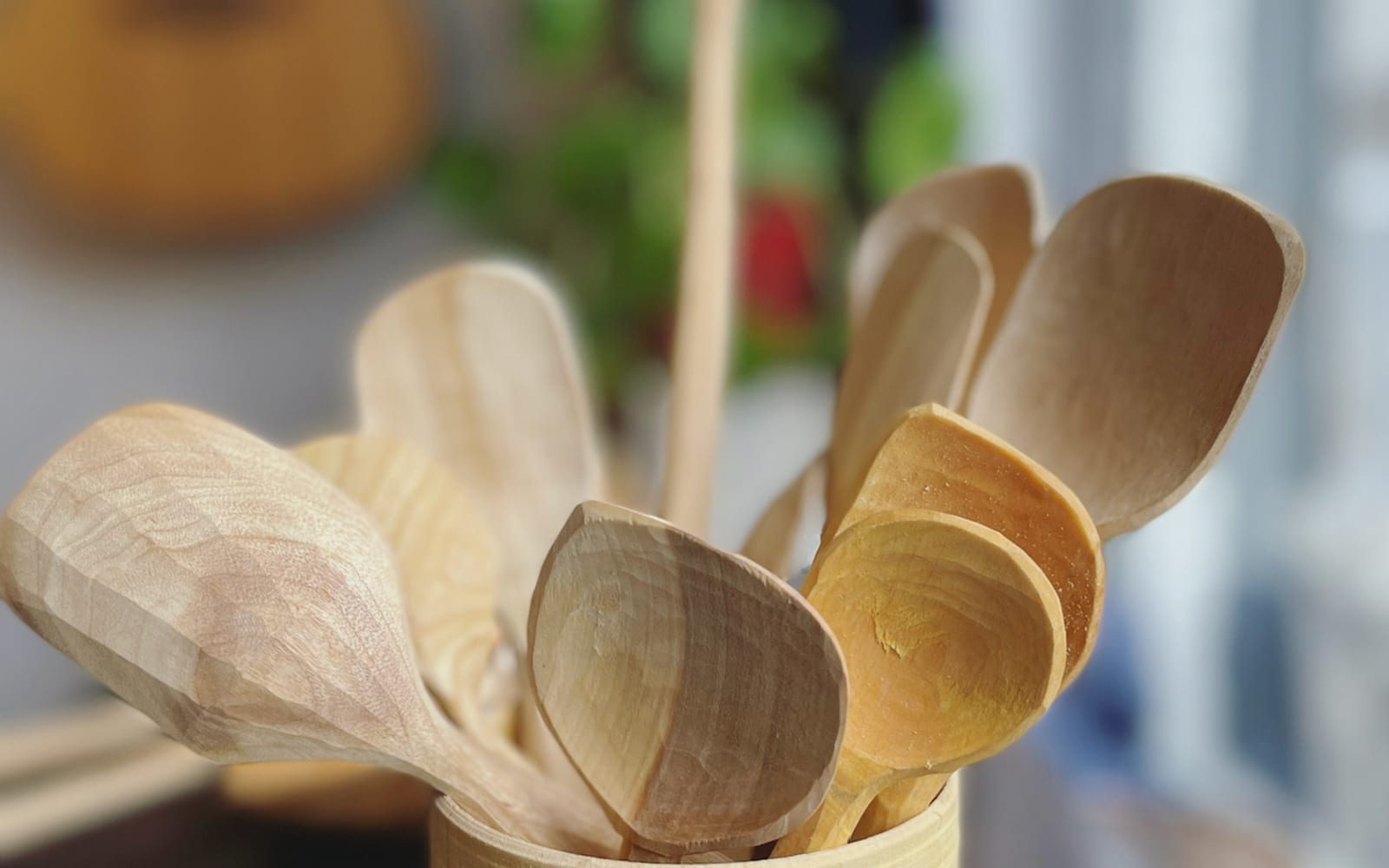
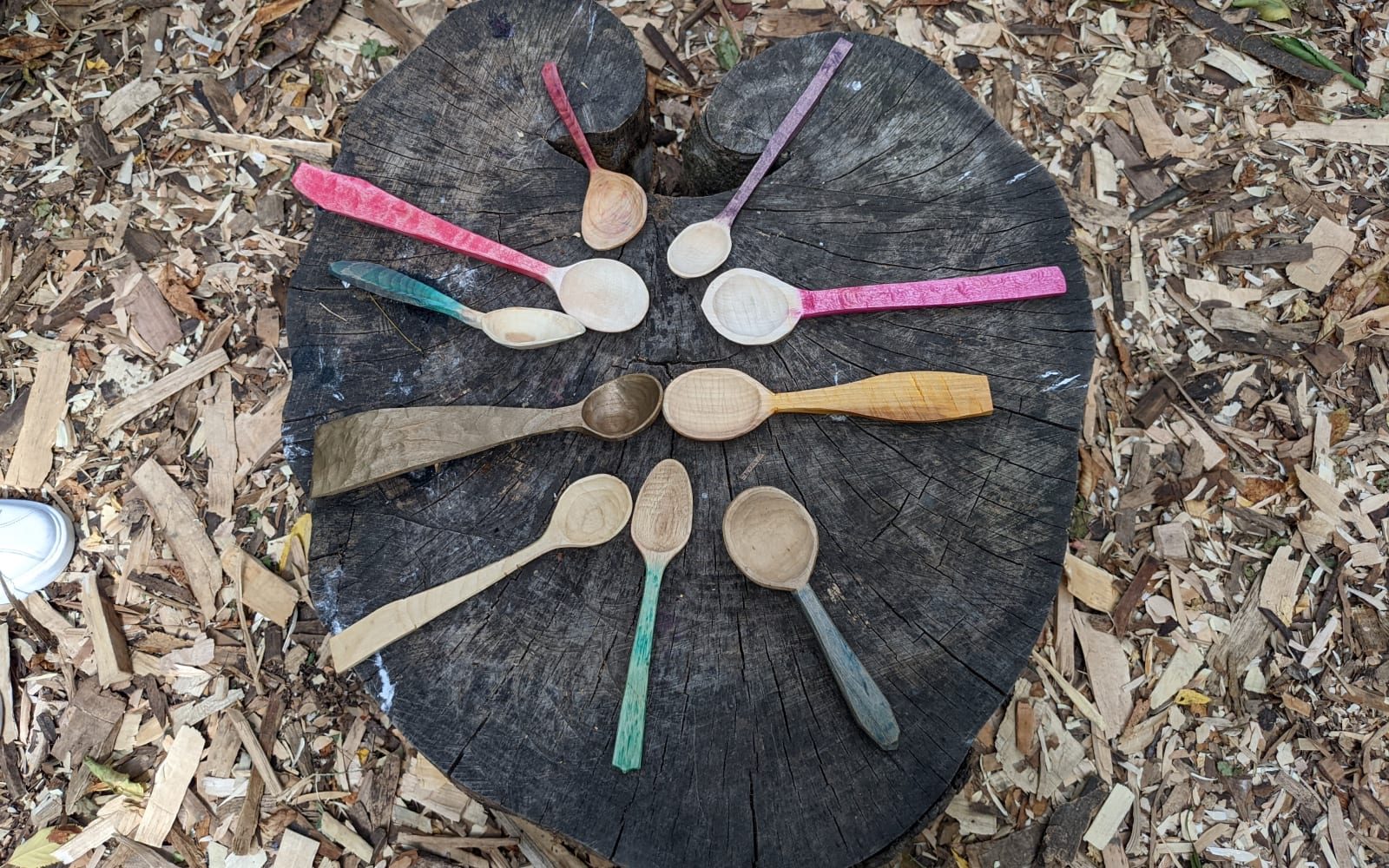
Spoon carving uses green, unseasoned wood and three tools: an axe to rough the shape, a straight knife to refine it, and a hook knife for the bowl. It needs almost no space and no machines, which is why it is the usual way into woodwork. Most people finish a spoon in a day and leave knowing enough to carry on at home.
Where to learn spoon carving
Every region we hold a spoon carving course for. Where there are enough for a page of their own it goes straight there, otherwise to everything woodwork in that region.
All 37 spoon carving courses
We hold 37 courses in spoon carving, taught by 30 makers and schools. London has the most, at 7. The middle price is £85, below the £176 we see across all woodwork, and most cost between £45 and £135.
Listed with what the provider charges. Every link goes straight to their own booking page. In turn, one course from each maker, the maker with most courses first, so no one school fills the top of the list. Nobody can pay to move up.
What a spoon carving course costs
Taken from the 32 courses here that publish a price, checked August and October 2026. Read it as a spread rather than a going rate: length, materials and group size all move the price.
- Cheapest£10
- Middle£85
- Dearest£230
Who teaches spoon carving
30 makers and schools, most courses first.
Questions people ask about spoon carving
What does a spoon carving course cost?
32 of the 37 spoon carving courses we hold publish a price. The middle one is £85, and most sit between £45 and £135. Prices were checked in August and October 2026 and the provider sets them, not us.
Where can you learn spoon carving in the UK?
10 regions have spoon carving courses, most of them in London (7), South West England (7) and West Midlands (6). 3 of those have a page of their own for this craft.
How long is a spoon carving course?
10 of the 37 state a length, most often 1 day (7), half day (2) and weekend (1). The other 27 do not say, so check the provider's page.
Do you need any experience to start spoon carving?
Most of these are taught as a first go. 9 of the 37 state a level, and 2 say plainly that they suit beginners and improvers together. Where a course says nothing, ask the provider before you book, because a hand craft can assume you bring some tool control with you.
How do I book a spoon carving course?
You book with the maker, not with us. All 37 courses here link straight to the provider's own page. Woodwork UK takes no booking, adds no fee and is not paid for the link, and all 30 makers and schools set their own dates, prices and places.
Getting started with spoon carving
Is spoon carving hard?
It is the gentlest way into woodwork and most people finish a usable spoon in a day. The axe work that roughs out the shape looks alarming and is the part people worry about, but it is controlled and slow and taught properly on any decent course. Hollowing the bowl with a hook knife is the fiddly bit. Your first spoon will be thicker and heavier than you meant it to be, which is true of everybody's first spoon.
What tools do you need for spoon carving?
Three, and that is genuinely all: a small axe to rough the blank out, a straight knife to shape it, and a hook knife to hollow the bowl. It needs no bench, no machines and no workshop, which is why it is the craft most often carried on at home after the course. Sharpening kit is the fourth thing and matters more than any of them.
What wood is best for spoon carving, and what should you avoid?
Green, unseasoned wood, which cuts like a hard cheese rather than like timber. Birch, sycamore, cherry, lime and willow are all kind to a beginner. Fruit woods are lovely and a little harder. What to avoid is dried timber from a merchant, which is far more work than it sounds, anything with a strong taste or a resin content if the spoon is going near food, and oak, which is tannic and prone to splitting along the ray. A fresh branch from a fallen tree is better raw material than anything you can buy.
Where can I learn spoon carving for free?
It is the most asked question in woodworking, and the honest answer is a men's shed or a community workshop rather than a course. We list 933 of them across the UK, and most charge a small subscription or a few pounds a session rather than a course fee. Find one near you. They are not classes and nobody teaches to a syllabus, but the tools are there, and somebody will almost always show you.
Other kinds of woodwork
Most people arrive knowing they want to make something rather than knowing the name of the craft. These are the other ten.