Woodworking courses in North West England
Every hobby woodworking course we can find in North West England, from 17 makers and schools. You book with the maker directly, and nobody pays to be listed.
We hold 44 courses in North West England, taught by 17 makers and schools. Furniture making is the most common thing taught here, on 11 of them. The middle price is £200, above the £176 we see across the UK.
Pick where you are: each row opens with five courses from it, one from each maker in turn, and the link beside it shows every course there. Nobody can pay to move up.
Woodworking courses in Cumbria
See all 24 in Cumbria
Woodworking courses in Lancashire
See all 9 in Lancashire
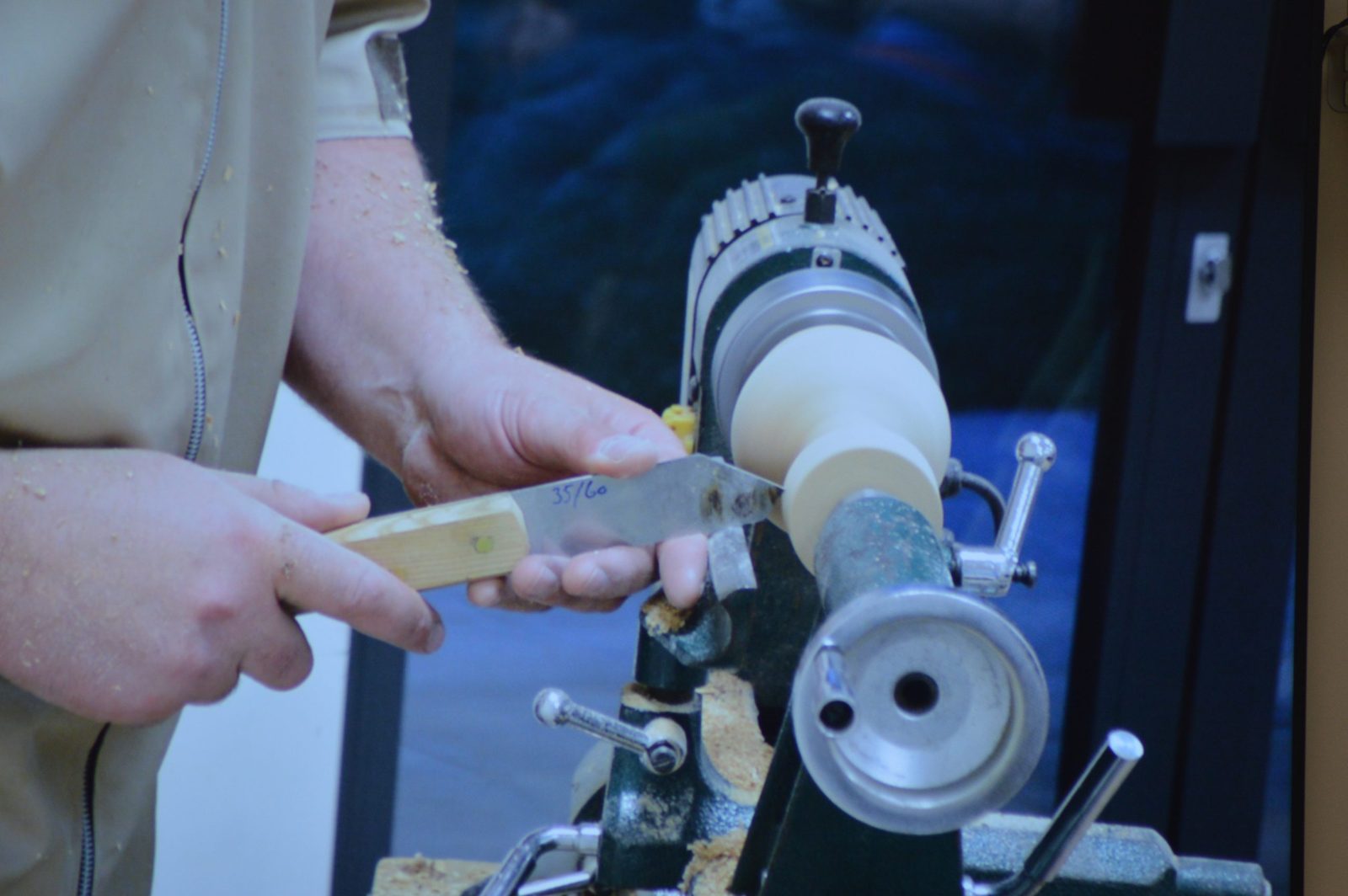
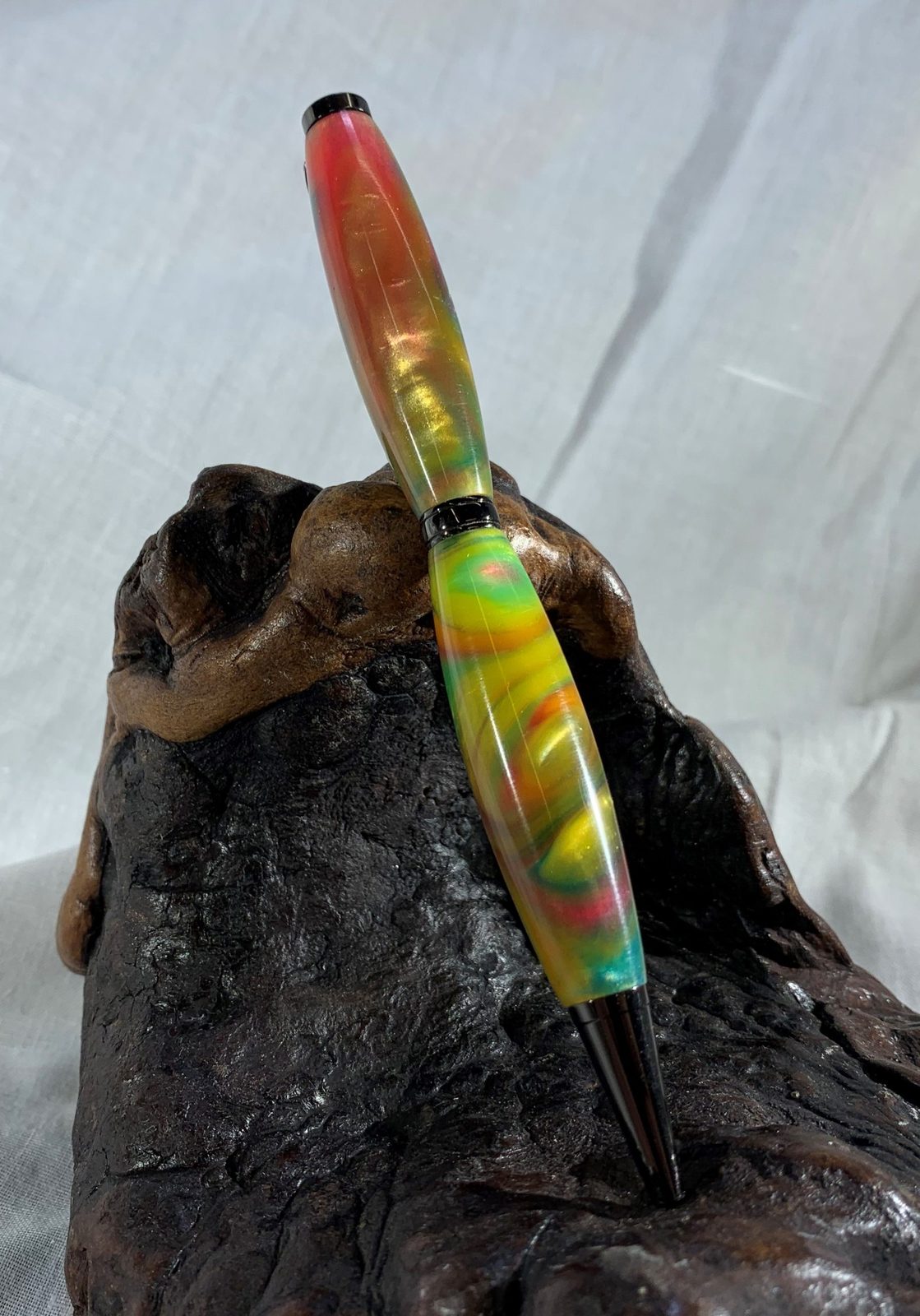
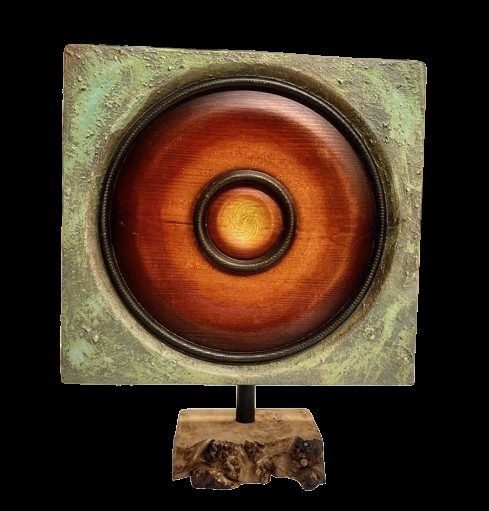
Woodworking courses in Greater Manchester
See all 8 in Greater Manchester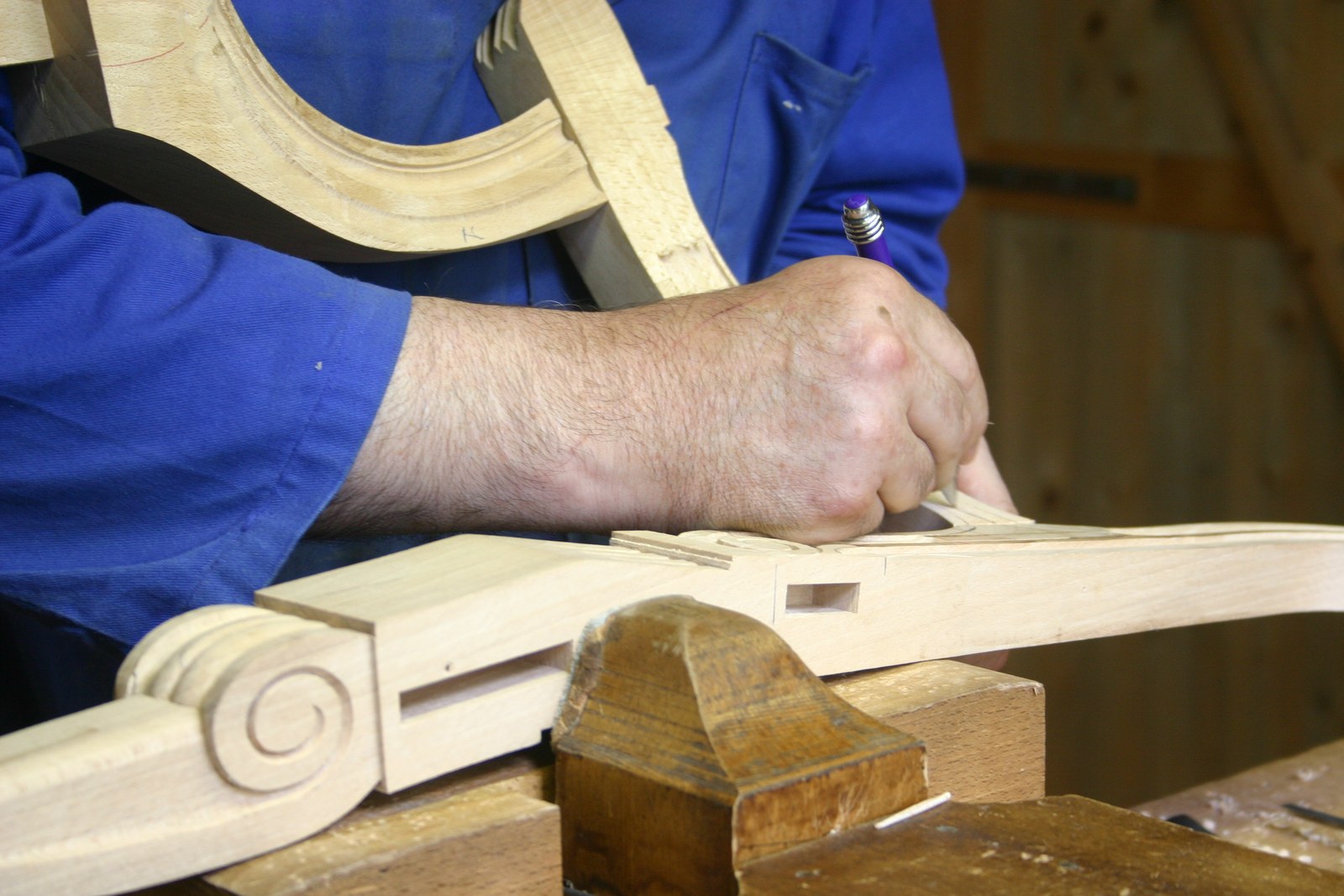
Elsewhere in North West England
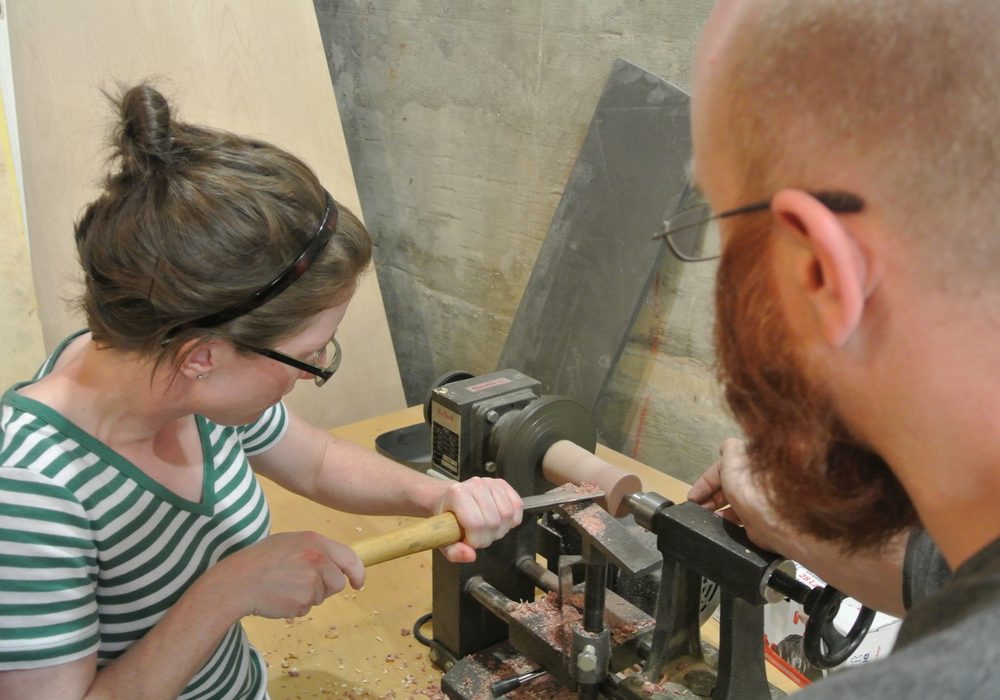
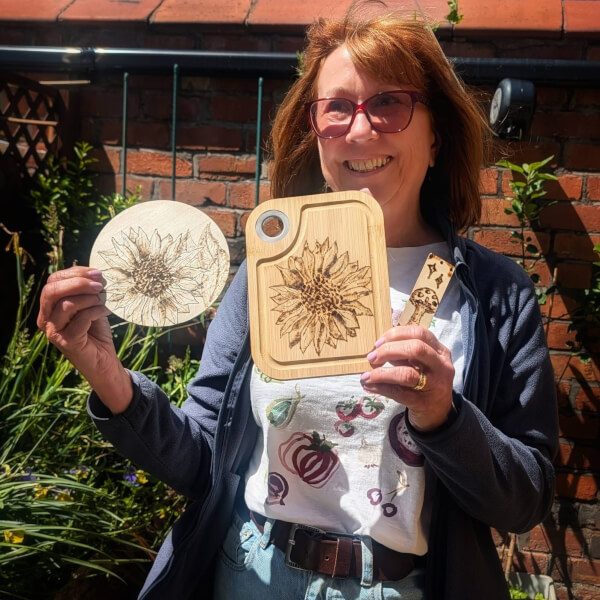
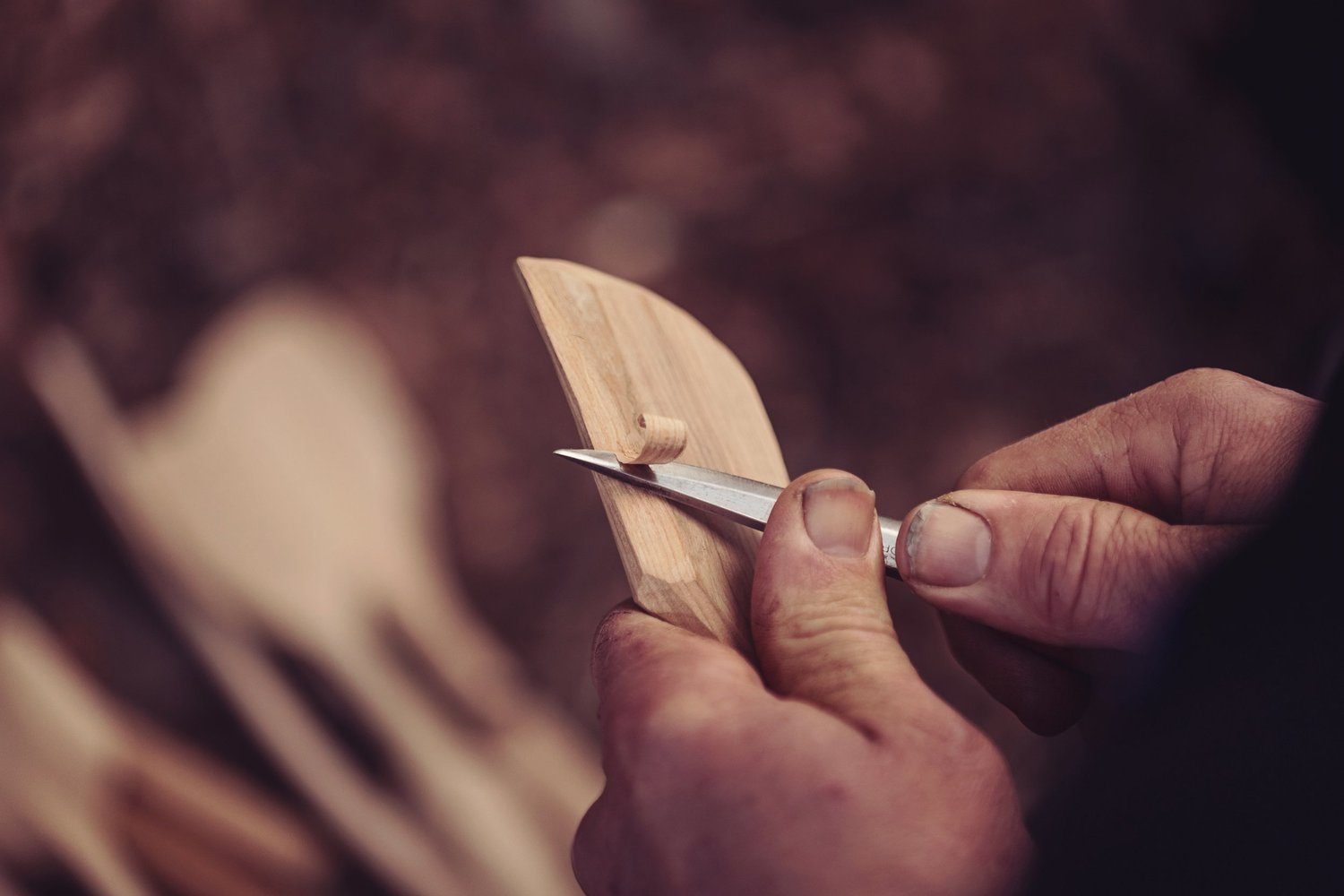
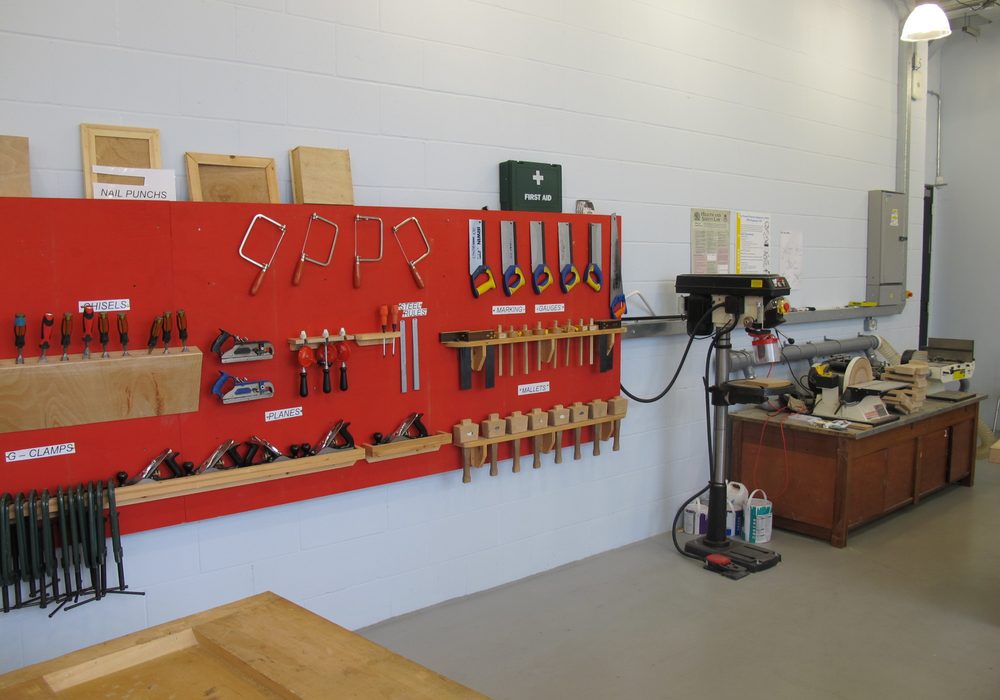
What a course costs in North West England
Taken from the 42 courses here that publish a price, checked October 2026. Read it as a spread rather than a going rate: length, materials and group size all move the price.
- Cheapest£27.80
- Middle£200
- Dearest£22,750
Who teaches in North West England
17 makers and schools, most courses first.
Questions people ask about North West England
What does a woodworking course cost in North West England?
42 of the 44 courses in North West England publish a price. The middle one is £200. Read it as a range rather than a going rate, because course lengths here differ and the price follows them. Prices were checked in October 2026 and the provider sets them, not us.
What kinds of woodwork can you learn in North West England?
The most common here are furniture making (11), general woodwork (8) and woodturning (7). A further 5 of the 44 do not say which craft they are, so treat that as a floor rather than the whole picture. These are hobby and craft courses, not trade qualifications.
How long are the courses in North West England?
27 of the 44 courses here state a length, most often 1 day (6), 2 days (4) and half day (4). The other 17 do not say, so check the provider's own page before you plan around it.
Where in North West England are the courses?
3 counties hold courses in North West England, the largest being Cumbria (24), Lancashire (9) and Greater Manchester (8). County is usually closer to how people search than the region above it.
How do I book a course in North West England?
You book with the maker, not with us. All 44 courses here link straight to the provider's own page. Woodwork UK takes no booking, adds no fee and is not paid for the link, and all 17 makers and schools set their own dates, prices and places.
What to know before you book in North West England
What you will actually pay
The middle price in North West England is £200. That is above the £176 we see across the UK, which is worth knowing before you rule somewhere out on price alone. Of the 42 courses here that publish a price, 4 are under £75, 11 are between £75 and £150, 12 are between £150 and £300, 5 are between £300 and £600 and 10 are £600 or more.
The number on its own tells you less than you would think. At the bottom of the range you are usually buying an evening or a half day, working on something small that you take home the same night. In the middle you get a full day, your own bench and enough time to make a mistake and put it right, which is the part that actually teaches you something. Above that you are into weekends and multi-week courses where the point stops being the object and starts being the skill. 4 courses here run far longer than that, the longest of them running 4 weeks.
Where the workshops actually are
North West England is not evenly covered, and it is better to know that now than after an hour on a train. Kendal (12), Preston (7) and Manchester (6) between them hold 64% of everything we list here. The rest is spread across 7 other areas, sometimes a single course each.
That matters more than it sounds. Woodworking is not something you can do half attentively on a laptop, so the workshop you pick is one you have to physically get to, often carrying something awkward on the way home. Somewhere twenty minutes away that runs an evening class beats somewhere excellent two hours away that you will talk yourself out of by November.
What gets taught here, and what does not
The most common thing taught in North West England is furniture making, on 11 of the 44 courses we hold. After that it is general woodwork (8), woodturning (7) and green woodworking (3).
Worth saying plainly: green woodworking, wood carving, pyrography, chair making, spoon carving and marquetry and veneering are thin on the ground here, with three courses or fewer between them. If that is the specific thing you want to learn, you will have more choice looking further afield than waiting for something local to appear. We would rather tell you that than pad the page.
How much time it takes
Of the 27 courses here that tell us how long they run, 14 are two days or less. That is the shape of most hobby woodworking: a day, occasionally a weekend, designed around people who work during the week. All 17 that state a level are open to beginners or to all levels, so a first course is not hard to find.
A day is enough to make one thing properly and to find out whether you enjoy the work rather than the idea of it. It is not enough to learn to cut a dovetail that you would show anybody. If you already know that you want this to stick, the multi day courses work out cheaper per hour than stringing single days together, and you spend less of that time getting set up again.
Who is teaching
17 makers and schools teach in North West England. The three busiest, Waters & Acland, Stephen Kearvell and Woodmatters, run 50% of the courses here between them. The rest are smaller workshops running a handful of courses a year. If group size matters to you, ask before booking, because we do not hold it and the number varies by course rather than by workshop.
We take nothing from any of them. No one has paid to appear on this page, nobody can pay to move up it, and every link goes to the workshop's own booking page rather than through us. If a course is full or the date has moved, they will know and we will not, so it is always worth asking them directly.