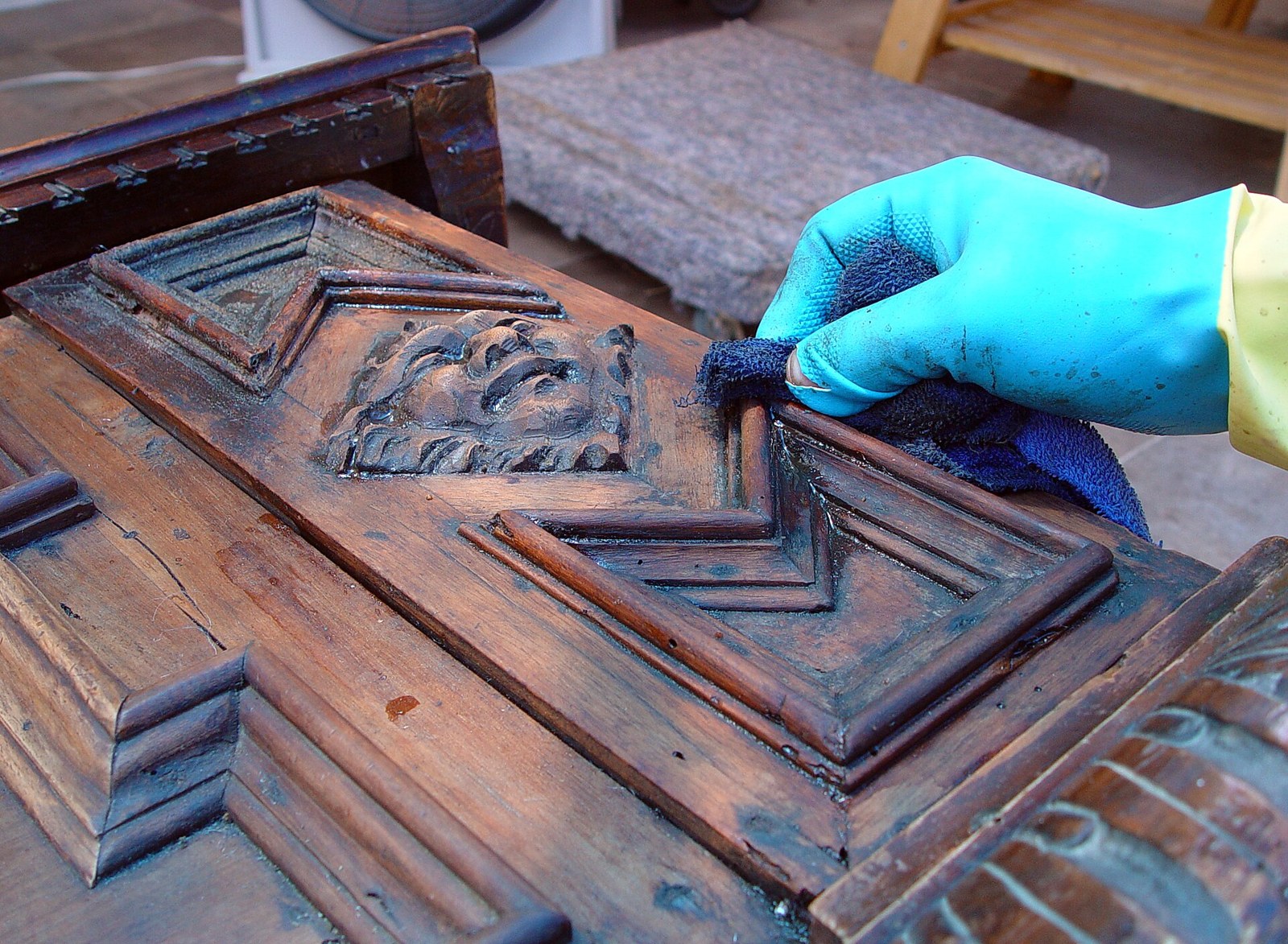
Furniture restoration and French polishing in the UK
The table that came from your grandmother, back to the way you remember it. 322 furniture restorers and French polishers who tell you what they actually do, not just that they do it.
Choose your area

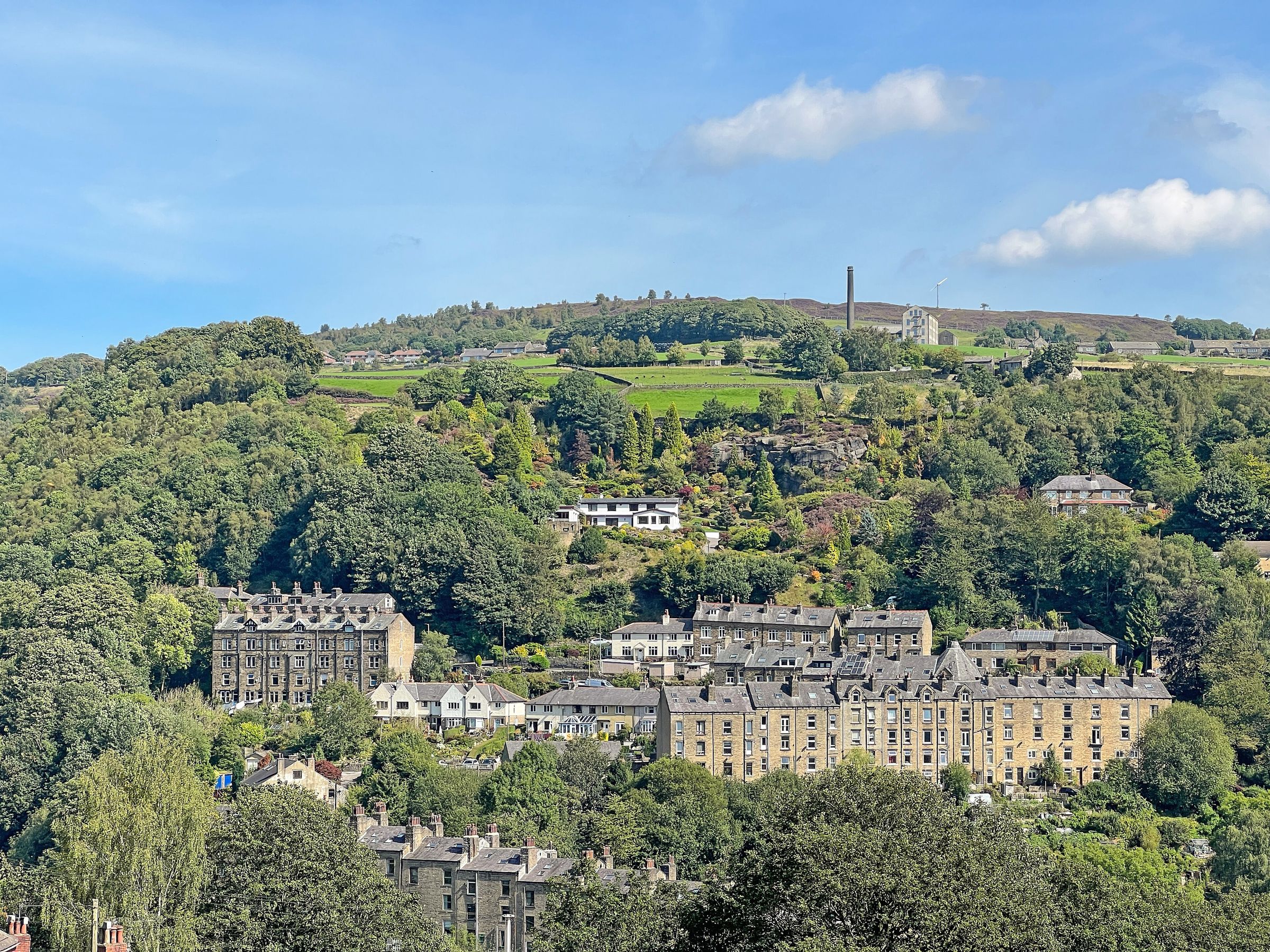
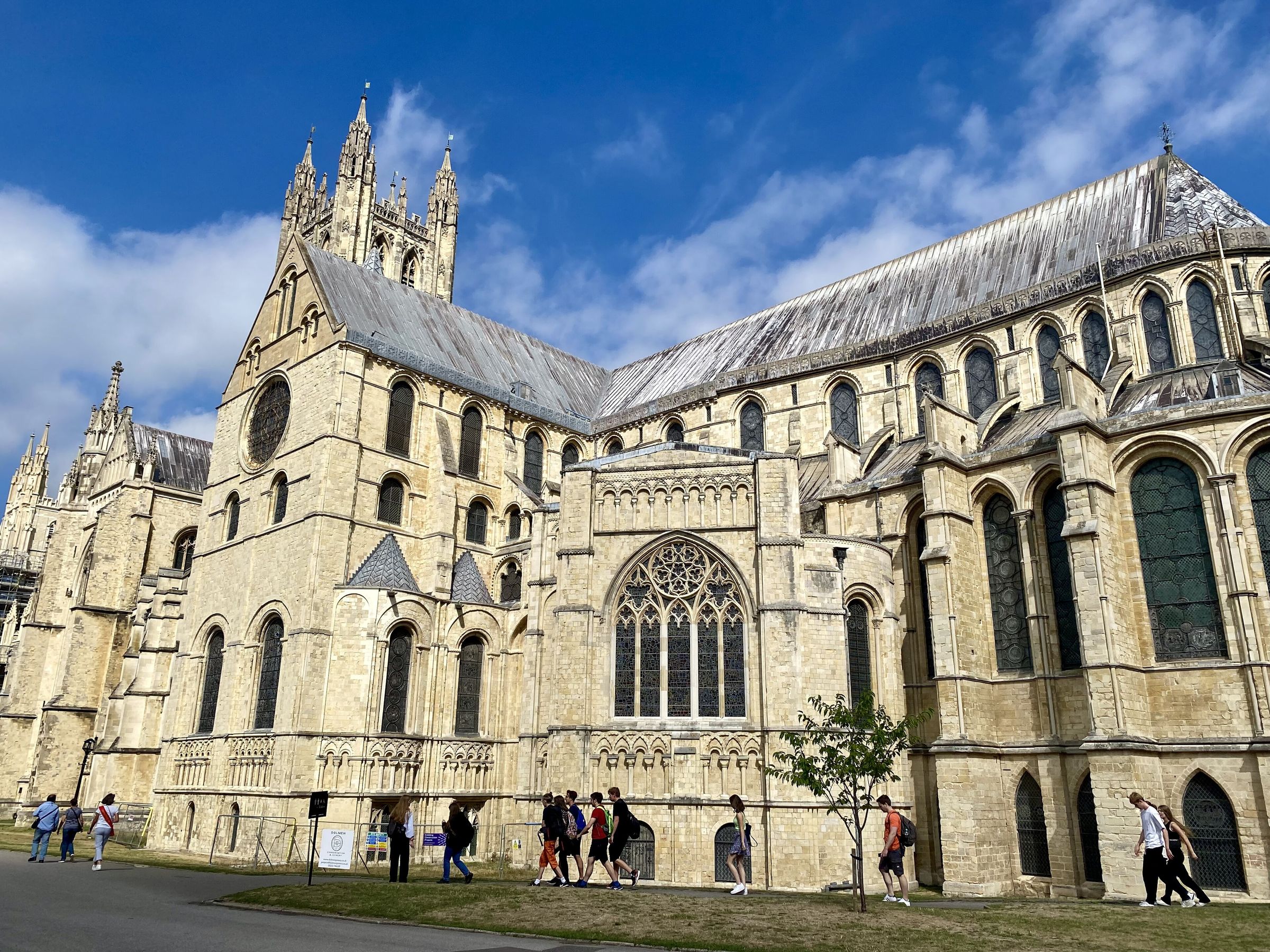
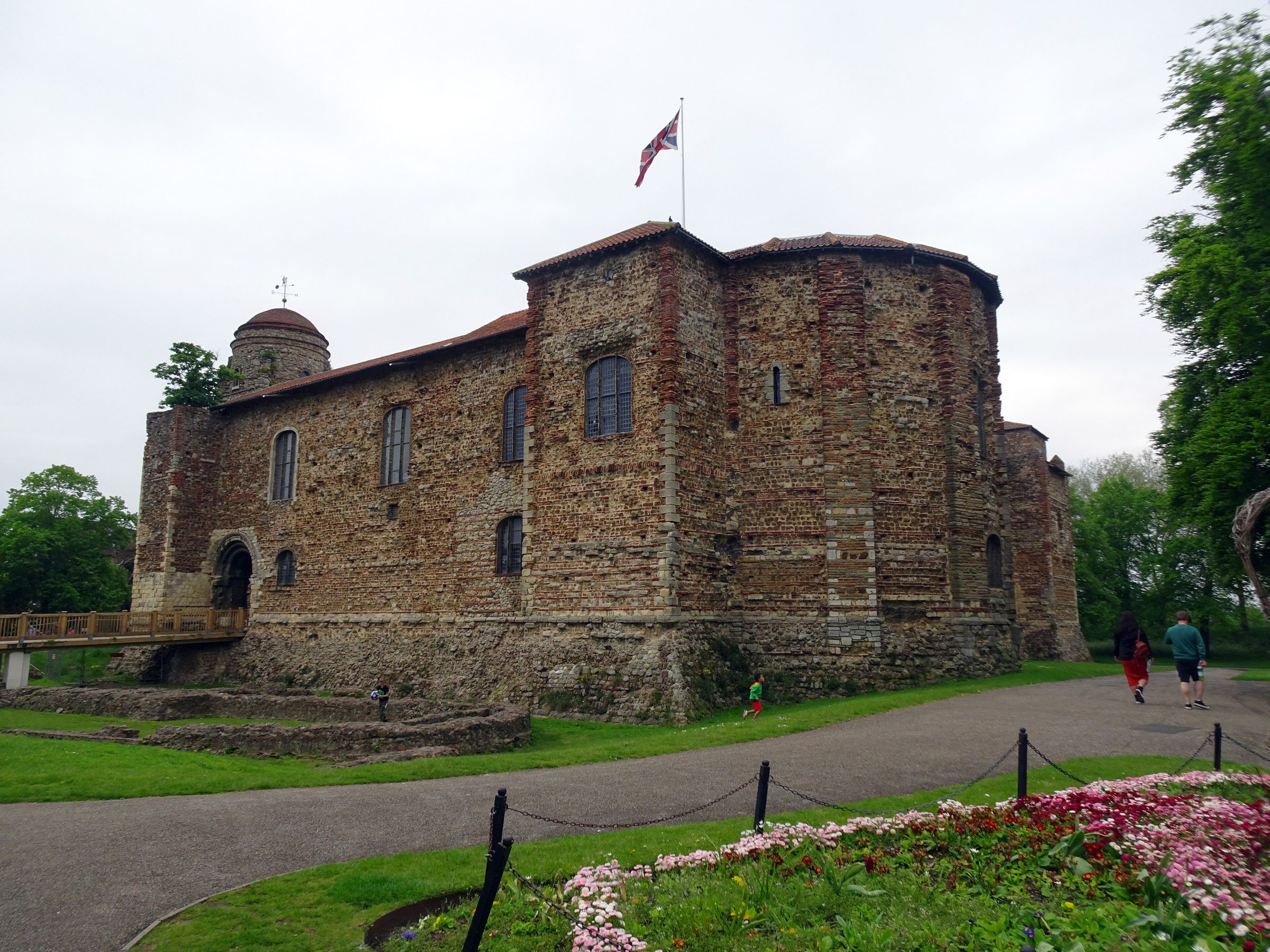

Or find your county, town or city: all 38 of them, by region
One more, outside the areas above: French Polishers NI in Temple.
Questions people ask
How much do furniture restorers charge?
Nobody can say until they have seen the piece. The price depends on what it is made of, what has happened to it, how much of the original survives, and whether the work is on the surface or in the structure. Most restorers here quote free from photographs, so send pictures of the whole piece and the damage, and get two or three quotes on anything you care about.
Is it worth restoring furniture?
For money, often not: a mass produced piece from the last forty years usually costs more to restore properly than to replace. For a piece that matters to you, yes. One warning: stripping an antique back to bare wood removes the patina that gives it its value, so ask before anybody touches something that might be worth something.
What are the mistakes to avoid?
Stripping when it was not needed is the one people regret most. Then modern glue on a joint that will need to come apart again, sanding through a thin veneer, and a hard modern lacquer over a soft traditional finish. Restoration should make a piece look cared for, not new.
Can you do French polishing at home?
Yes. It needs shellac, a rubber made from wadding and cloth, methylated spirit and a warm dust free room, and a lot of practice. Blending new polish into an old finish so the join does not show is much harder, so practise on something that does not matter first. There are 14 restoration and finishing courses on this site if you would rather be taught.
What is a furniture restorer called?
Usually a furniture restorer. A French polisher specialises in the finish, a cabinetmaker in the structure, and a conservator preserves rather than renews. Many firms here do more than one, which is why every listing says which techniques the business names itself.
How do you decide who is listed?
A business is listed when it names the work it does, such as French polishing, veneer repair, gilding or cane seating. "We restore furniture" is not enough. That is why there are 322 here and not everyone who could call themselves a restorer.
Does anyone pay to be on here?
No. Nobody pays to be listed, nobody can pay for a better position, and we take nothing when you contact a restorer. The list comes from public business listings and what each business says about itself.
Where do the phone numbers come from?
From each business's own public listing, or its own website where the two differ. Many are one person, so the number may be a mobile. Every listing says when the number was seen, and any business can ask us to change it or take it off.
Why do some firms appear in only one town?
Some firms had pins in many towns pointing at the same business, one of them in thirteen. We merged 37 listings into the businesses that own them, so no firm appears over and over pretending to be local everywhere.
Or learn to do it yourself
Repair and finishing turn up on a good number of the 527 woodworking courses on this site. See the restoration and finishing courses.