Instrument making courses in the UK
Every instrument making course we can find in the UK, from 3 makers and schools. You book with the maker directly, and nobody pays to be listed.
What is instrument making?
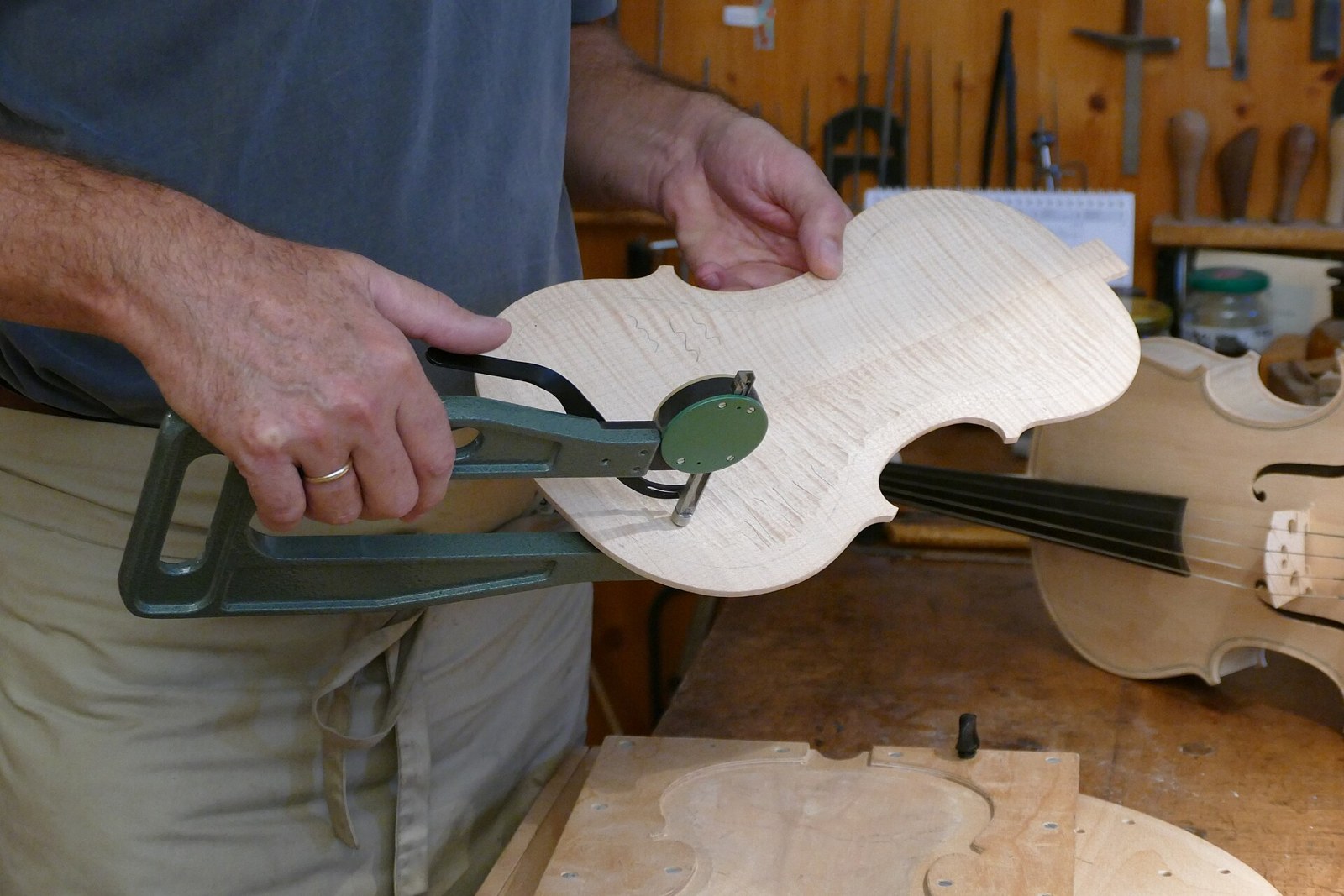
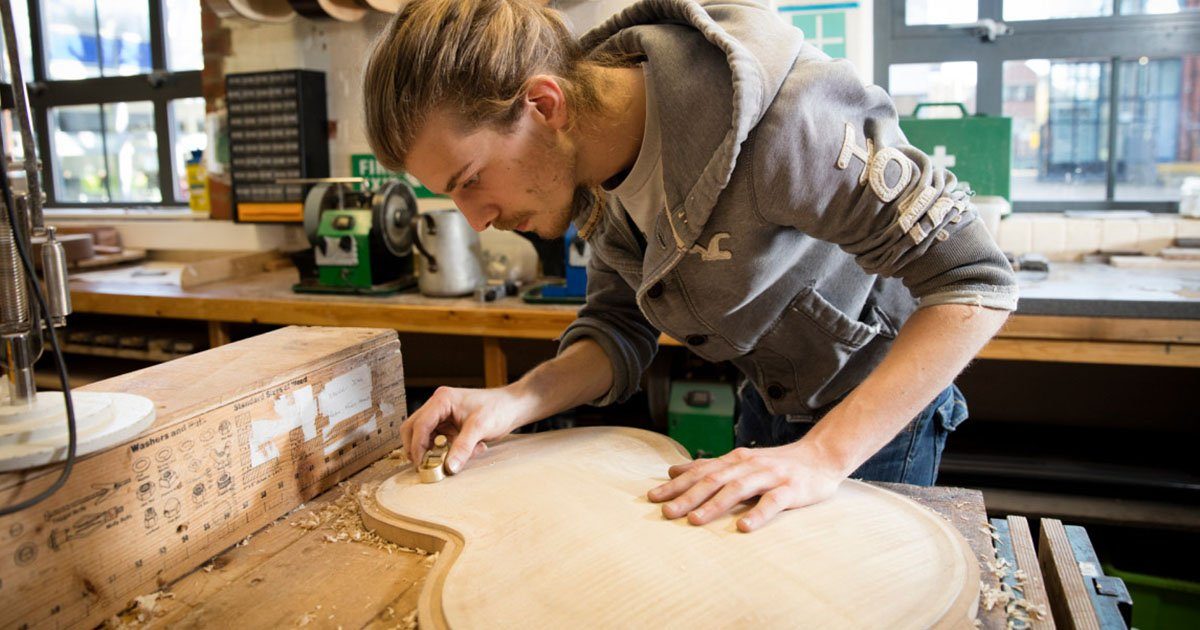
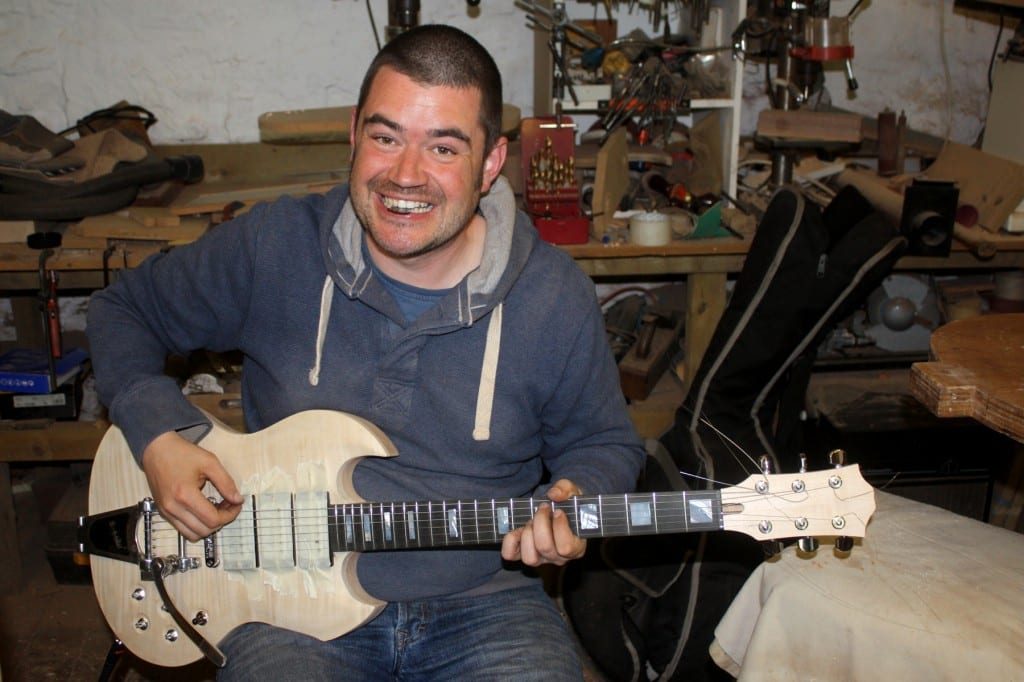
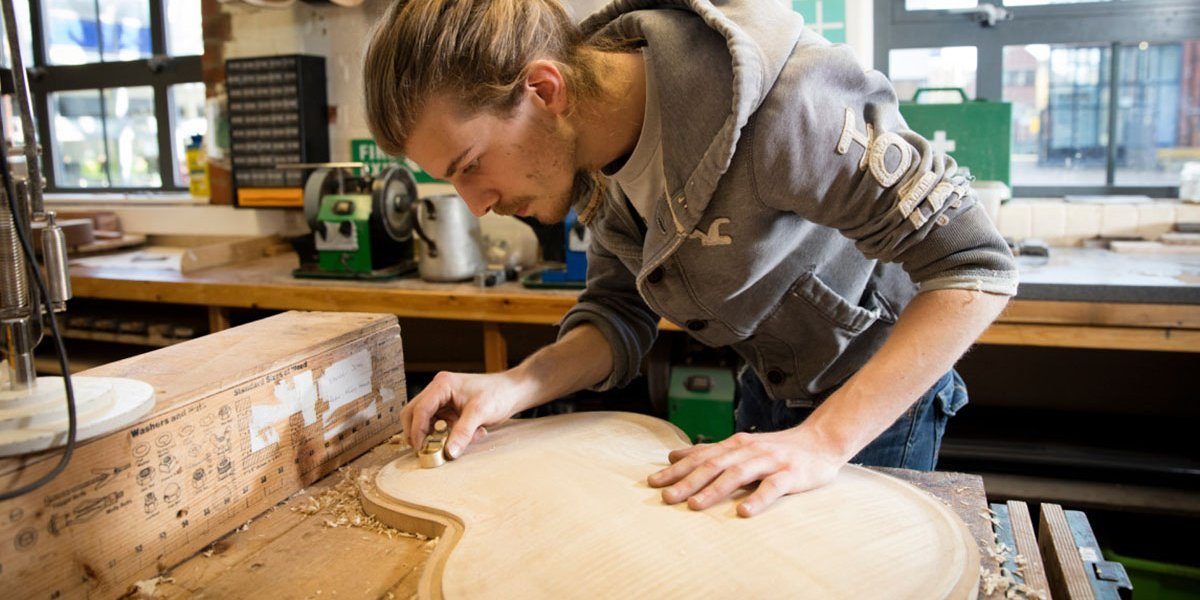
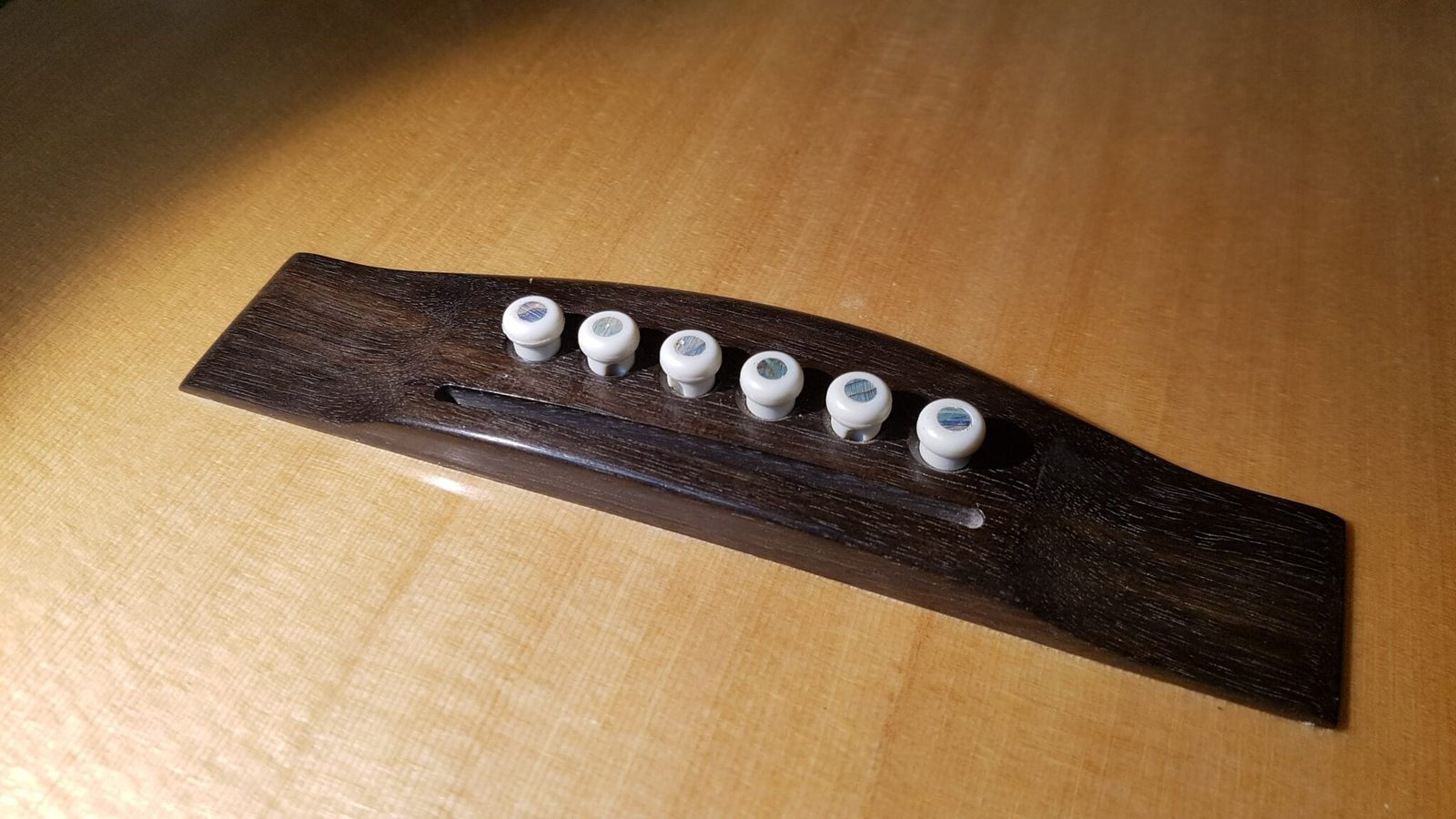
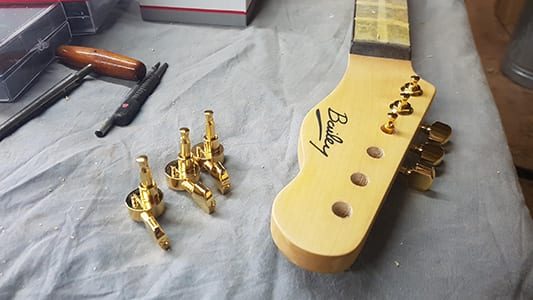
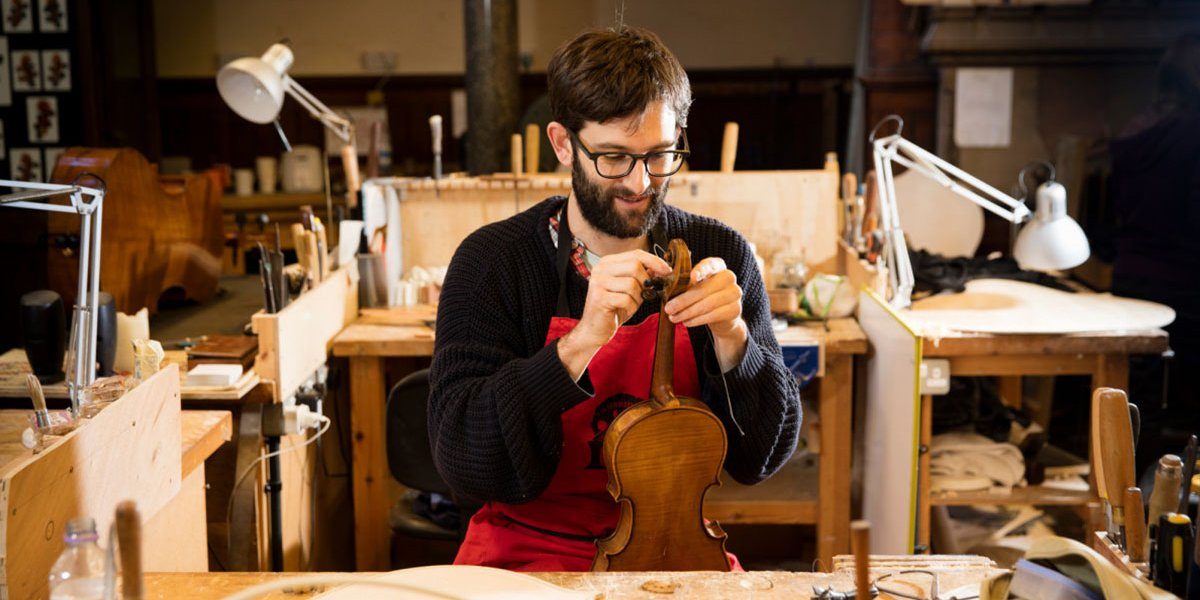
Making an instrument is fine woodwork with acoustics attached. Guitars, ukuleles and violins all need thin, accurately worked timber, bent sides and careful bracing, and a millimetre matters more here than almost anywhere else in woodwork. Courses run long because the work cannot be hurried, and many are residential for that reason.
Where to learn instrument making
Every region we hold a instrument making course for. Where there are enough for a page of their own it goes straight there, otherwise to everything woodwork in that region.
All 14 instrument making courses
We hold 14 courses in instrument making, taught by 3 makers and schools. East Midlands has the most, at 8. The middle price is £3,500, above the £176 we see across all woodwork.
Listed with what the provider charges. Every link goes straight to their own booking page. In turn, one course from each maker, the maker with most courses first, so no one school fills the top of the list. Nobody can pay to move up.
What a instrument making course costs
Taken from the 9 courses here that publish a price, checked October 2026. Read it as a spread rather than a going rate: length, materials and group size all move the price.
- Cheapest£167
- Middle£3,500
- Dearest£4,000
Who teaches instrument making
3 makers and schools, most courses first.
Questions people ask about instrument making
What does a instrument making course cost?
9 of the 14 instrument making courses we hold publish a price. The middle one is £3,500. Prices were checked in October 2026 and the provider sets them, not us.
Where can you learn instrument making in the UK?
3 regions have instrument making courses, most of them in East Midlands (8), Scotland (1) and South East England (1). 1 of those have a page of their own for this craft.
How long is a instrument making course?
3 of the 14 state a length, and they are 10 weeks (2) and 6 days (1). The other 11 do not say, so check the provider's page.
Do you need any experience to start instrument making?
Most of these are taught as a first go. 4 of the 14 state a level, and 2 say plainly that they suit beginners and improvers together. Where a course says nothing, ask the provider before you book, because a hand craft can assume you bring some tool control with you.
How do I book a instrument making course?
You book with the maker, not with us. All 14 courses here link straight to the provider's own page. Woodwork UK takes no booking, adds no fee and is not paid for the link, and all 3 makers and schools set their own dates, prices and places.
Getting started with instrument making
How hard is it to build an instrument?
It is fine woodwork with acoustics attached and a millimetre matters more than almost anywhere else in the craft. A soundboard is worked down until it is thin enough to move and thick enough not to fold, and that judgement is why courses are long and why most run with a maker beside you. What surprises people is how little of it is carpentry and how much is patient thinning, listening and adjusting.
Can a beginner do it?
Yes, on a course, because the setup and the jigs are already there and somebody is watching the parts that go wrong quietly. Doing it alone from scratch is a much larger undertaking. Most people who build a second instrument at home have built the first one under supervision.
How long do instrument making courses run?
Longer than anything else on this site. Building a guitar, ukulele or violin is usually a week or more of full-time work, and many courses are residential for exactly that reason. Ukuleles and cigar box instruments are the common short options because they carry the same ideas in a fraction of the time.
Where can I learn instrument making for free?
It is the most asked question in woodworking, and the honest answer is a men's shed or a community workshop rather than a course. We list 933 of them across the UK, and most charge a small subscription or a few pounds a session rather than a course fee. Find one near you. They are not classes and nobody teaches to a syllabus, but the tools are there, and somebody will almost always show you.
Other kinds of woodwork
Most people arrive knowing they want to make something rather than knowing the name of the craft. These are the other ten.